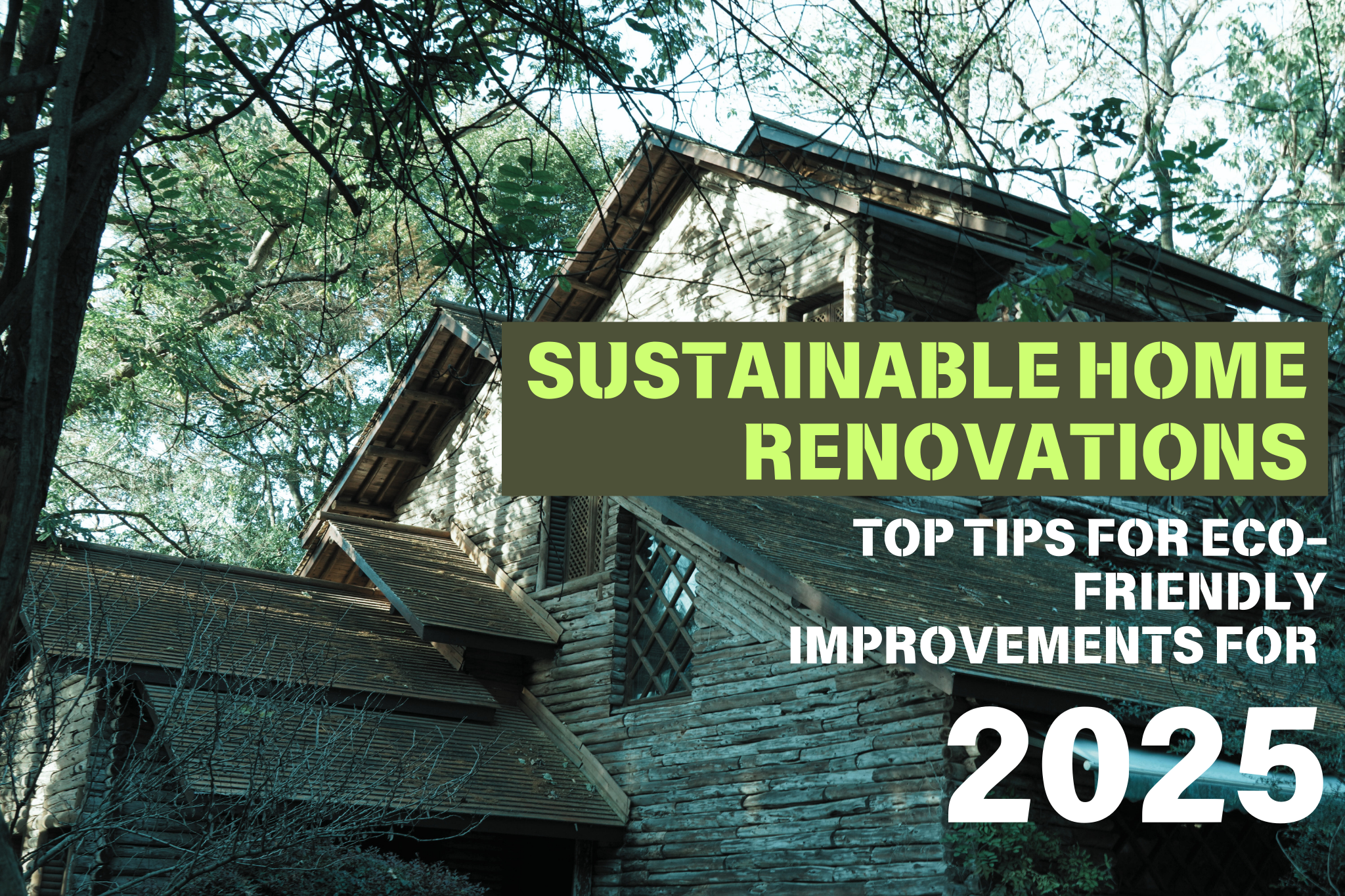

We’re living in a time when our homes need to work harder for both us and the planet. Sustainable home renovations aren’t just about following trends they’re about creating spaces that last longer, use less energy, and make us feel good about our environmental impact. Let’s explore how you can transform your space while treading lightly on the earth.
1. Embrace What Already Exists

Before you start demolishing walls or ordering new materials, take a moment to look at what you already have. According to EPA waste statistics, construction and demolition debris is more than twice the amount of municipal solid waste in the US. This amount is recorded annually. Here’s how you can break this cycle:
- Start with a thorough survey: Walk through your space with a professional contractor who specializes in sustainable renovations. You be surprised at how many elements can be preserved or repurposed.
- Get creative with existing materials: That old hardwood flooring? It can become stunning wall paneling. Those vintage doorknobs? They add character to new cabinet doors. Link to an Architectural salvage guide.
- Think repair first: The National Trust for Historic Preservation estimates that renovating an existing building is significantly eco-friendlier. It can be up to 46% more environmentally sustainable than new construction.
2. Technology as Your Sustainability Partner

Modern technology isn’t just making our homes smarter – it’s making them greener too. Department of Energy research shows that smart home technologies can reduce energy consumption by up to 30%. Here’s what’s possible:
- 3D printing revolution: Architects are now using 3D printing to create custom parts. These parts fit perfectly the first time. This process dramatically reduces waste. Link to case studies.
- Smart materials at work: Imagine windows that tint automatically based on sunlight or insulation that adapts to temperature changes. These aren’t sci-fi concepts – they’re available now.
- Energy modeling: Before making changes, use energy analysis tools recommended by ENERGY STAR. These tools will help you understand exactly how modifications will impact your home’s performance.
3. Design for Tomorrow

The most sustainable renovation is one you won’t need to redo in five years. The American Institute of Architects emphasizes the importance of flexible design in sustainable architecture. Consider:
- Modular thinking: Create spaces that can evolve with your needs. That home office needs to become a nursery, or that playroom need to transform into a study space.
- Materials built to last: Sometimes spending more upfront on durable materials saves money and resources in the long run. Link to material durability studies
- End-of-life planning: Choose materials that can be recycled or biodegraded when they eventually need replacement. Circular economy guidelines
Conclusion
Creating a sustainable home isn’t just about following a checklist. It’s about making thoughtful choices that reflect your values. These choices help protect our planet’s future. Whether you’re planning a major renovation or making small changes, remember that every sustainable choice matters. Each decision contributes to creating a healthier home and planet.
Want to learn more? Check out these resources:
- Green Building Council certification guidelines
- Department of Energy home efficiency programs
- Environmental Protection Agency sustainable materials management
FAQs
What does “sustainable home” mean?
How can I make my home renovation more sustainable?
What are the best eco-friendly materials for sustainable home renovations?
Popular sustainable materials include reclaimed timber, bamboo flooring, low-VOC paints, insulation made from recycled or natural fibers, and sustainable composite materials that reduce environmental harm while maintaining durability.
Do sustainable home improvements save money?
References
- YouTube. (n.d.) Sustainable Home Renovations. Available at: https://www.youtube.com/watch?v=cIJyjgbC9qI (Accessed: 29 December 2024).
- Wikipedia. (n.d.) Sustainable Refurbishment. Available at: https://en.wikipedia.org/wiki/Sustainable_refurbishment (Accessed: 29 December 2024).
- Chase Mortgage. (n.d.) Sustainable Homes. Available at: https://www.chase.com/personal/mortgage/education/finding-a-home/sustainable-homes (Accessed: 29 December 2024).
- Ellen MacArthur Foundation. (n.d.) Circular Design Principles. Available at: https://ellenmacarthurfoundation.org/circular-design (Accessed: 29 December 2024).
- National Trust for Historic Preservation. (n.d.) Historic Preservation and Sustainability. Available at: https://savingplaces.org (Accessed: 29 December 2024).
- ArchDaily. (n.d.) 3D Printing in Architecture. Available at: https://www.archdaily.com/tag/3d-printing (Accessed: 29 December 2024).
- U.S. Department of Energy. (n.d.) Energy Efficiency in Home Design. Available at: https://www.energy.gov/energysaver/energy-efficient-home-design (Accessed: 29 December 2024).
- Green Building Alliance. (n.d.) The Importance of Sustainable Building Materials. Available at: https://www.go-gba.org/learning-hub/sustainable-materials/ (Accessed: 29 December 2024).