Tag: Design

  • Sustainable Home Renovations: Top Tips for Eco-Friendly Improvements for 2025.

    Sustainable Home Renovations: Top Tips for Eco-Friendly Improvements for 2025.

    We’re living in a time when our homes need to work harder for both us and the planet. Sustainable home renovations aren’t just about following trends – they’re about creating spaces that last longer, use less energy, and make us feel good about our environmental impact. Let’s explore how you can transform your space while treading lightly on the earth.


    1. Embrace What Already Exists

    Before you start demolishing walls or ordering new materials, take a moment to look at what you already have. According to EPA waste statistics, construction and demolition debris is more than twice the amount of municipal solid waste in the US. This amount is recorded annually. Here’s how you can break this cycle:

    • Start with a thorough survey: Walk through your space with a professional contractor who specializes in sustainable renovations. You be surprised at how many elements can be preserved or repurposed.
    • Get creative with existing materials: That old hardwood flooring? It can become stunning wall paneling. Those vintage doorknobs? They add character to new cabinet doors. Link to an Architectural salvage guide.
    • Think repair first: The National Trust for Historic Preservation estimates that renovating an existing building is significantly eco-friendlier. It can be up to 46% more environmentally sustainable than new construction.

    2. Technology as Your Sustainability Partner

    Modern technology isn’t just making our homes smarter – it’s making them greener too. Department of Energy research shows that smart home technologies can reduce energy consumption by up to 30%. Here’s what’s possible:

    • 3D printing revolution: Architects are now using 3D printing to create custom parts. These parts fit perfectly the first time. This process dramatically reduces waste. Link to case studies.
    • Smart materials at work: Imagine windows that tint automatically based on sunlight or insulation that adapts to temperature changes. These aren’t sci-fi concepts – they’re available now.
    • Energy modeling: Before making changes, use energy analysis tools recommended by ENERGY STAR. These tools will help you understand exactly how modifications will impact your home’s performance.

    3. Design for Tomorrow

    The most sustainable renovation is one you won’t need to redo in five years. The American Institute of Architects emphasizes the importance of flexible design in sustainable architecture. Consider:

    • Modular thinking: Create spaces that can evolve with your needs. That home office needs to become a nursery, or that playroom need to transform into a study space.
    • Materials built to last: Sometimes spending more upfront on durable materials saves money and resources in the long run. Link to material durability studies
    • End-of-life planning: Choose materials that can be recycled or biodegraded when they eventually need replacement. Circular economy guidelines

    Conclusion

    Creating a sustainable home isn’t just about following a checklist. It’s about making thoughtful choices that reflect your values. These choices help protect our planet’s future. Whether you’re planning a major renovation or making small changes, remember that every sustainable choice matters. Each decision contributes to creating a healthier home and planet.

    Want to learn more? Check out these resources:

    References

    1. YouTube. (n.d.) Sustainable Home Renovations. Available at: https://www.youtube.com/watch?v=cIJyjgbC9qI (Accessed: 29 December 2024).
    2. Wikipedia. (n.d.) Sustainable Refurbishment. Available at: https://en.wikipedia.org/wiki/Sustainable_refurbishment (Accessed: 29 December 2024).
    3. Chase Mortgage. (n.d.) Sustainable Homes. Available at: https://www.chase.com/personal/mortgage/education/finding-a-home/sustainable-homes (Accessed: 29 December 2024).
    4. Ellen MacArthur Foundation. (n.d.) Circular Design Principles. Available at: https://ellenmacarthurfoundation.org/circular-design (Accessed: 29 December 2024).
    5. National Trust for Historic Preservation. (n.d.) Historic Preservation and Sustainability. Available at: https://savingplaces.org (Accessed: 29 December 2024).
    6. ArchDaily. (n.d.) 3D Printing in Architecture. Available at: https://www.archdaily.com/tag/3d-printing (Accessed: 29 December 2024).
    7. U.S. Department of Energy. (n.d.) Energy Efficiency in Home Design. Available at: https://www.energy.gov/energysaver/energy-efficient-home-design (Accessed: 29 December 2024).
    8. Green Building Alliance. (n.d.) The Importance of Sustainable Building Materials. Available at: https://www.go-gba.org/learning-hub/sustainable-materials/ (Accessed: 29 December 2024).
  • Why Choose Rammed Earth for Your Next Build?

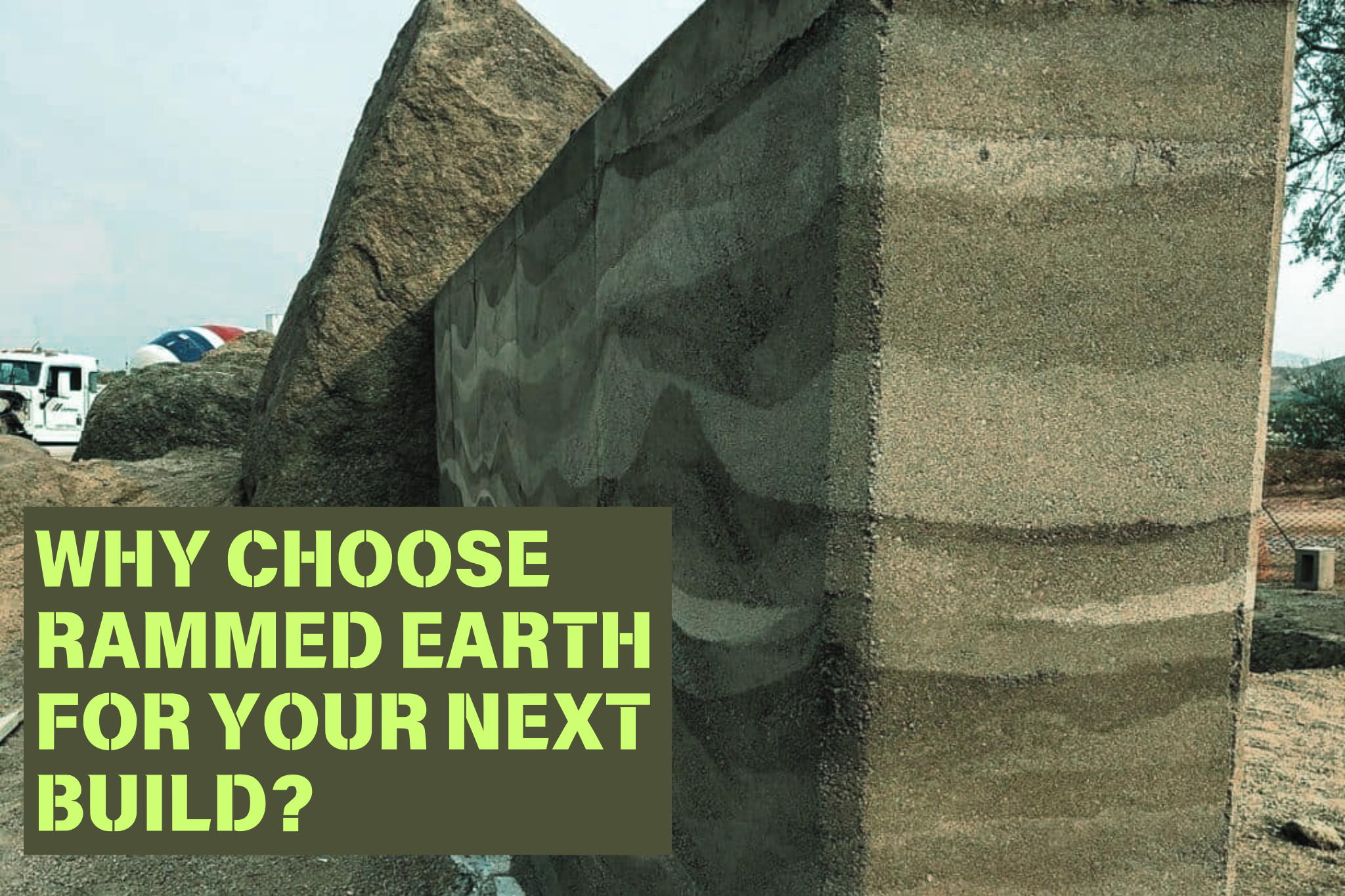
    Why Choose Rammed Earth for Your Next Build?

    Discover the full guide to rammed earth construction in 2024. Learn about benefits, costs, sustainability, and how this ancient building technique is revolutionizing modern architecture.

    Modern rammed earth home in Arizona showcasing natural layered patterns and large windows. This home demonstrates the perfect blend of traditional techniques with contemporary architecture.Kendle Design Collaborative.

    Walking through a rammed earth home for the first time was a revelation I’ll never forget. The walls had distinct layers of compressed soil. These created natural art patterns. They maintained a perfect temperature despite the scorching summer heat outside. That was ten years ago, and it completely changed my perspective on sustainable architecture. Did you know that rammed earth structures can last over 1,000 years? The Great Wall of China’s oldest sections, built using this technique, stand as testament to its durability!

    What is Rammed Earth Construction?

    Cross-section diagram showing the layers of a rammed earth wall, including stabilizers and reinforcement elements.

    Think of rammed earth as nature’s concrete. This ancient building technique involves compacting layers of earth mixture between forms to create solid, durable walls. Don’t let its age fool you. Modern rammed earth construction has evolved significantly. It still maintains its core sustainable principles.

    Key components of rammed earth construction include:

    • Local soil (typically 70% sand and gravel, 30% clay)
    • Natural stabilizers (sometimes small amounts of cement or lime)
    • Mechanical compactors
    • Firework systems
    • Skilled labor and skill

    I’ve seen projects where builders sourced over 80% of their materials directly from the construction site. This approach significantly reduces transportation costs. It also lowers the carbon footprint!

    The Environmental Impact: Why Earth Matters

    Infographic comparing CO2 emissions: Conventional concrete(Insulated CMU) vs. rammed earth construction.researchgate.net

    The environmental benefits of rammed earth construction are frankly astounding. Let me break this down with some real numbers I’ve gathered over years of research:

    • Carbon Footprint Reduction:
    • Up to 90% less CO2 emissions compared to conventional concrete construction
    • Zero waste production when using on-site soil
    • Minimal transportation emissions with local materials
    • Energy Efficiency:
    • 40-50% reduction in heating/cooling costs
    • Natural temperature regulation
    • Superior insulation properties
    Local soil testing and choosing process for sustainable rammed earth construction.link.springer.com

    Here’s what truly amazes me: a properly constructed rammed earth wall can last centuries while maintaining its thermal properties. I’ve visited homes in Arizona. Indoor temperatures stay around 72°F (22°C) with minimal air conditioning. This is remarkable when it’s 100°F (38°C) outside!

    The Real Benefits: Beyond Environmental Impact

    Interior shot of a rammed earth home showing natural texture patterns and color variations in wall surfaces.
    Interior shot of a rammed earth home showing natural texture patterns and color variations in wall surfaces.rammedearthenterprises.com.au

    I have worked with various sustainable building approaches. I can confidently say that rammed earth offers unique advantages. Other Eco-friendly options can’t match these advantages.

    Durability and Strength

    • Compression strength comparable to concrete
    • Fire-resistant properties
    • Pest-resistant
    • Weather-resistant
    • Earthquake-resistant when properly reinforced
    Interior shot of a rammed earth home showing natural texture patterns and color variations in wall surfaces.
    Interior shot of a rammed earth home showing natural texture patterns and color variations in wall surfaces.rammedearthenterprises.com.au

    Health and Comfort Benefits:

    • Natural humidity regulation
    • Zero VOC emissions
    • Excellent sound insulation (perfect for urban settings!)
    • Allergen-free environment
    • Better indoor air quality

    One of my clients is a family with severe allergies. They reported total relief from symptoms within weeks of moving into their rammed earth home. The natural materials and absence of synthetic building products made a dramatic difference in their quality of life.

    Cost Considerations: The Truth About Rammed Earth

    Let’s talk numbers. While beginning costs can be 5-15% higher than conventional construction, the long-term savings are significant:

    Cost per m2 for a rammed earth home and rammed earth wall .Courtesy:.rammedearthenterprises.com.au/

    Beginning Costs (Based on 2024 Data):

    • Labor: $150-300 per square meter
    • Materials: $50-100 per square meter (significantly less if using on-site soil)
    • Equipment: $5,000-15,000 for basic setup

    Long-term Savings:

    • Energy costs reduced by up to 45% annually
    • Maintenance costs near zero for first 25 years
    • Insurance premiums often lower due to durability
    • Property value increase of 10-20% (based on recent market analysis)

    Pro Tip: I’ve found that the sweet spot for cost efficiency is a project between 1,500-2,500 square feet. This size allows for optimal use of equipment and labor while maintaining quality control.

    The Construction Process: What to Expect

    Team of workers demonstrating proper compaction techniques with modern equipment.
    Team of workers demonstrating proper compaction techniques with modern equipment.link.springer.com

    Having overseen many rammed earth projects, I can tell you that proper planning is crucial. Here’s what the process typically looks like:

    1. Site Assessment and Soil Testing:
    • Soil composition analysis
    • Structural requirements evaluation
    • Climate considerations
    • Local building code review
    1. Material Preparation:
    • Soil screening and mixing
    • Moisture content improvement
    • Stabilizer addition if required
    1. Construction Phase:
    • Formwork installation
    • Layer-by-layer compaction (typically 6-8 inches per layer)
    • Quality control testing
    • Curing time management

    The most common mistake I see? Rushing the soil testing phase. Trust me, proper soil composition is absolutely crucial for long-term success.

    Foundation connection details specific to rammed earth construction.

    Looking to the Future

    The future of rammed earth construction is incredibly exciting. We’re seeing innovations like:

    Computer-controlled rammed earth construction system in action, showcasing automation technology.
    Computer-controlled rammed earth construction system in action, showcasing automation technology.sciencedirect.com
    • Computer-controlled compaction systems
    • New stabilizer technologies
    • Prefabricated rammed earth panels
    • Integration with smart home technologies
    • Advanced thermal performance monitoring
    Prefabricated rammed earth panels computer-controlled rammed earth construction system in action, showcasing automation technology.
    Prefabricated rammed earth panels computer-controlled rammed earth construction system in action, showcasing automation technology.sciencedirect.com

    I recently visited a project in California where they’re using AI to improve soil mixtures and compression techniques. The results are promising – stronger walls with even better thermal properties!

    Close-up texture shot showing the natural stratification and color variations in rammed earth walls.
    Close-up texture shot showing the natural stratification and color variations in rammed earth walls.Hive Earth.com

    Conclusion: Is Rammed Earth Right for You?

    I have spent years in sustainable construction. I can say that rammed earth isn’t just a building method. It’s a commitment to sustainable living that doesn’t compromise on comfort or style. It does not suit every situation. Nevertheless, it offers unparalleled benefits for those seeking a truly sustainable home. It is also perfect for those looking for a healthy and beautiful living space.

    Before you start your rammed earth journey, ask yourself:

    • Is your local climate suitable for earth construction?
    • Do you have access to qualified contractors?
    • Are your local building codes compatible with rammed earth?
    • Is the first investment within your budget?

    Ready to explore rammed earth construction for your next project? Start by connecting with local sustainable building associations or experienced rammed earth contractors. The earth is waiting – let’s build something amazing!

    Have questions about rammed earth construction? Share them in the comments below, and let’s continue this conversation about sustainable building practices!

  • Setting Up a Notion Workspace for Designers: A 2024 Beginner’s Guide

    Setting Up a Notion Workspace for Designers: A 2024 Beginner’s Guide

    Stay productive with a full task management system in Notion. Organize, sort, and conquer your to-dos!
    Stay productive with a full task management system in Notion. Organize, sort, and conquer your to-dos!

    Are you tired of juggling multiple apps to manage your design projects? You’re not alone! I am a designer who made the switch to Notion. I discovered it’s possible to reduce the 20% of a work week typically spent organizing files. You can turn this into a streamlined, efficient system. Let me guide you through creating your perfect design workspace in Notion. There’s no overwhelming complexity. You will find just practical steps to boost your productivity.

    Why Notion is a Game-Changer for Designers

    Before we dive into the setup process, let’s tackle why Notion has become the go-to platform for designers worldwide. Through extensive research and community feedback from platforms like “Reddit” and professional design forums, I’ve found that Notion transforms from a simple note-taking tool into a full design command center that can:

    • Centralize all project information in one searchable space
    • Streamline client communications
    • Organize design assets efficiently
    • Track project progress seamlessly
    • Automate repetitive tasks
    Some of the Automation tools you can combine with Notion.Simplify, automate, and thrive.
    Simplify, automate, and thrive. Integrate Notion with powerful tools for seamless workflows and less admin time!

    Creating Your Design Command Center

    1. Setting Up Your Homepage Dashboard 🎨

    Your homepage is your command center. Here’s a few ideas that can help:

    Pro Tip: Start minimal your workspace will naturally evolve as you discover what works best for your workflow.

    2. Essential Pages Every Designer Needs

    Project Management Hub

    Create a powerful project database including:

    • Status tracking with visual indicators
    • Milestone timelines
    • Client information directory
    • Design brief templates
    • Task management system

    Design Asset Library

    Organize your creative resources:

    • Brand guidelines and assets
    • Color palette collections
    • Typography systems
    • Icon and illustration libraries
    • Stock resource directories

    Client Communication Center

    Streamline client interactions with:

    • Feedback tracking system
    • Meeting notes templates
    • Brief documentation
    • Approval workflows
    • Version history tracking

    Advanced Features for Power Users

    Template System Setup

    Boost efficiency with templates for:

    • New project initialization
    • Client onboarding processes
    • Design brief documentation
    • Timeline planning
    • Feedback collection

    Time Management Integration

    Implement smart tracking:

    • Project time logging
    • Automated deadline alerts
    • Priority-based task organization
    • Weekly schedule visualization
    Use visual indicators in Notion for quick status tracking at a glance.
    Stay on top of every project! 🎨 Use visual indicators in Notion for quick status tracking at a glance.

    Customization That Works

    Take inspiration from the design community while making the space your own:

    1. Implement color coding for project categories
    2. Design custom icons for intuitive navigation
    3. Set up keyboard shortcuts for common actions
    4. Create linked databases for seamless information flow

    Productivity Boosters

    Multiple View Options

    Maximize efficiency with different perspectives:

    • Calendar for deadline tracking
    • Kanban for visual project flow
    • List view for quick scanning
    • Gallery for visual asset management
    The Multiple View Options seen in the app
    Multiple View Options.

    Smart Cross-Referencing

    Create connections across your workspace:

    • Link projects to client profiles
    • Connect assets to specific deliverables
    • Relate feedback to iterations
    • Tag team members efficiently

    Scaling Your Workspace

    Follow this proven growth path:

    1. Start with core project tracking
    2. Expand into asset management
    3. Develop client communication systems
    4. Implement automation as needed

    Design Workflow Best Practices

    File Organization Strategy

    • Create clear naming conventions
    • Create intuitive folder hierarchies
    • Implement version control
    • Keep organized asset libraries

    Project Monitoring

    • Use visual status indicators
    • Track milestone completion
    • Watch revision cycles
    • Set up deadline alerts
    Progress bars that can act as extra motivation or a reminder.
    Make project updates easy! Track progress visually to stay organized and efficient.

    Collaboration Guidelines

    For team environments:

    • Set access levels appropriately
    • Share standardized templates
    • Create naming protocols
    • Document workflow processes

    Ready to Transform Your Design Workflow?

    Start building your Notion workspace today using this guide as your foundation. Remember—the most effective setup is one that enhances your creativity rather than restricting it.

    Quick Start Checklist

    ✅ Set up your homepage dashboard
    ✅ Set up project templates
    ✅ Organize your asset library
    ✅ Set up communication systems
    ✅ Start simple, then expand

    Whether you’re inspired by YouTube tutorials or community templates, remember that your Notion journey is unique. Focus on creating a system that amplifies your productivity while maintaining creative flexibility.

    Have you started setting up your design workspace in Notion? Share your experience or ask questions in the comments below—let’s learn from each other!


  • The Complete Guide to Setting Up Notion for Designers (2024)

    The Complete Guide to Setting Up Notion for Designers (2024)

    Transform your design workflow in 2024 with this comprehensive guide on setting up Notion. Learn how to create the perfect Notion workspace, manage projects, and boost productivity as a designer.

    Introduction

    As a designer, you’re all too familiar with the constant struggle to keep your workflow organized and productive. From managing client projects to organizing design assets, there always seems to be another system or app to juggle. But what if I told you there’s one tool that can revolutionize your entire design process?

    That tool is Notion – the ultimate all-in-one workspace that’s taken the creative world by storm. In this 2024 guide, we’ll dive deep into how you can set up Notion to streamline your design work, eliminate productivity roadblocks, and take your creative output to new heights.

    Whether you’re a freelance designer, in-house creative, or part of a small agency, the tips and strategies you’ll learn here will transform the way you approach your design projects. So let’s get started!

    Getting Started with Notion for Designers

    The first step in optimizing your Notion setup is, well, setting up your Notion workspace. This seems daunting at first, but I promise it’s easier than you think. The key is to start simple and build up your system gradually.

    Begin by creating your initial Notion workspace. This will serve as the central hub for all your design-related information and workflows. Within this workspace, you’ll want to set up some essential pages, including:

    • A project dashboard to visualize your active work
    • Template pages for new client projects
    • A database to manage your design assets and resources
    • A space for capturing meeting notes and client feedback

    Notion’s intuitive interface makes it easy to navigate between these different pages and databases. And as you get more comfortable, you can start exploring advanced features like automations, custom views, and integrations.

    The great thing about Notion is its flexibility. You can make it look and work exactly how you need it to for your specific design business. Don’t be afraid to experiment and iterate – that’s half the fun!

    Creating Your Design Project Hub

    At the heart of your Notion setup should be a centralized project management system. This is where you’ll bring together all the moving pieces of your design work – from client details and creative briefs to task lists and deadlines.

    Start by building out a project dashboard that gives you a high-level view of your active initiatives. Use Notion’s calendar, kanban, and table views to visualize your project status, upcoming milestones, and team workload.

    Next, create standardized project templates that you can easily duplicate for new clients. These templates should include sections for:

    • Client information and brand guidelines
    • Creative briefs and design requirements
    • Task tracking and project timelines
    • Feedback logging and version control

    By systemizing your project setup process, you’ll save countless hours and ensure consistency across your design work.

    Don’t forget to integrate your project pages with other key Notion databases, like your design asset library and client communication hub. This interconnected approach is what makes Notion so powerful for designers.

    Design Asset Management in Notion

    One of the biggest pain points for designers is organizing and accessing their creative assets. Notion’s flexibility makes it the perfect solution for building a centralized design resource library.

    Start by creating a dedicated database to house your design elements – from brand logos and icons to custom illustrations and stock photos. Use custom views, filters, and organizational systems to ensure you can quickly find what you need.

    But Notion is more than just a static asset repository. You can also use it to manage the evolution of your design work, with version tracking and feedback logging. This way, you’ll always have a clear audit trail of how a project or asset has progressed.

    And if you’re collaborating with a team, Notion shines as a design system hub. Store your brand guidelines, UI patterns, and style rules in one place for easy access and alignment.

    Client Communication and Feedback

    Another area where Notion can revolutionize your design workflow is client communication and feedback management. Gone are the days of scattered email threads and ambiguous revision requests.

    Create a dedicated client portal within Notion where you can centralize all project-related discussions, file sharing, and feedback logging. This ensures nothing slips through the cracks and gives clients a streamlined way to collaborate.

    Use Notion’s database features to track feedback, revisions, and project milestones. You can even set up automated workflows to notify clients when new designs are ready for review.

    The result? A transparent, efficient feedback loop that keeps your clients engaged and your projects on track.

    Elevating Your Design Process

    Beyond the core project and asset management capabilities, Notion offers a wealth of features to help you optimize your entire design workflow.

    For example, you can use Notion to document your standard operating procedures, design guidelines, and team collaboration processes. This not only keeps your work consistent but also makes onboarding new team members a breeze.

    Notion also shines when it comes to time management and productivity. Integrate time tracking, task prioritization, and progress reporting to gain deep visibility into how you and your team are spending your time. This data can inform everything from resource planning to client billing.

    And let’s not forget about portfolio and showcase management. Notion makes it easy to build a robust, online design gallery that highlights your best work for potential clients and collaborators.

    The possibilities are endless when you unlock the full potential of Notion as a designer. By taking the time to set up your workspace thoughtfully, you’ll reap the rewards of a streamlined, efficient, and truly customized design workflow.

    Conclusion

    If you’re a designer looking to transform your productivity and organization in 2024, Notion is the tool you need. By following the strategies outlined in this comprehensive guide, you’ll be well on your way to creating a Notion setup that elevates your entire design process.

    Remember, the key is to start simple and gradually build up your system. Experiment, iterate, and don’t be afraid to customize Notion to fit your unique needs. Before you know it, this powerful workspace will become an indispensable part of your creative toolkit.

    So what are you waiting for? Grab our free Notion template bundle and get started on redesigning your design workflow today. Your future self will thank you!

  • The African Vernacular Experience: A Path to Intentional Spaces – Can Tradition Shape Our Modern World?

    The future of architecture is culture. Philip Johnson.

    Nature, Activity and Landscape.hospitalitycourses.co.za

    Imagine stepping into a building that feels like more than just walls and a roof. What if a space tells the story of the people who live there—their daily lives, customs, and history? This article takes a look at traditional African architecture. Known as the African Vernacular experience, it can inspire modern design in new and interesting ways.

    In architecture, capturing the spirit of a place goes beyond looks or materials. It’s about creating spaces that feel alive with the stories of time, place, and circumstance.

    Architects can use design inspired by the unique experiences. They can also draw inspiration from social interactions and local customs. This method allows them to create spaces deeply connected to the people who use them. This article shows how these traditional experiences guide designers. They help in making intentional choices. These choices allow modern spaces to show the true essence of a community.

    Vernacular African Experience

    The Vernacular African Experience is deeply rooted in the ways communities live. It is also rooted in how they interact and connect with each other. This experience reflects a lifestyle where community bonds and traditions shape daily life, creating a sense of unity and purpose. It includes storytelling, communal gatherings, and rituals that bring people together, highlighting values like respect, cooperation, and social harmony. These practices are not only social. They are also ways for people to pass down wisdom. They celebrate life events and reinforce a shared identity.

    Collage depicting various activities that embody African life, highlighting the richness of the Vernacular African Experience.© Aprescindere | Dreamstime.com

    This experience also shows a strong connection to the land and nature. In many African cultures, natural elements are not just resources but are seen as living parts of the world. The environment influences daily routines, with communities adapting their lifestyles to work with the seasons, climate, and natural surroundings. Respect for nature and balance between people and the environment is vital to the Vernacular African Experience. It emphasizes a way of life that values human relationships and harmony with the earth.

    Social Interactions

    As humans, we are naturally social and have always found ways to interact, share stories, and pass on wisdom. Storytelling around a fire, for example, is a concept as old as time. This idea can inspire the design of spaces. For instance, a space inspired by “storytelling around a fire” can be created as a learning space.

    The tradition of oral learning created an intense, immersive experience. People would gather around a fire at night. They focused on the stories without distractions. Even when brought indoors, the fireplace acted as a gathering point, making people feel close and focused.

    The fireplace experience.www.trailblazertravelz.com

    Today, we see this concept in spaces like auditoriums, classrooms, and theaters. These places are often designed to center around a focal point. This point is a speaker or presenter, acting like the “fireplace.” Such spaces are intended to encourage focus, just as traditional spaces did.

    A modern day auditorium with parallels to the fireplace setting.istockphoto.com
    I can’t confirm that these ideas were implemented, but there are certainly some parallels. Here is the grand conference hall of the African Union Conference Center.

    A Collaborative Discussion Space

    In all societies, there are leaders who guide and make decisions for the group. Throughout history, leaders often gathered around a fire for discussions. The seating around the fire reflected a clear sense of hierarchy. The fire acted as a gathering point, even if the meetings took place in semi-outdoor or indoor spaces.This is can serve as an inspiration for creating a modern meeting space based on a traditional African experience.

    A space inspired by the idea of people discussing around a fireplace.project by Hung Nguyen, Tu Dang, Hieu Ha, Duy Nguyen.kairalooro.com.
    Modern Applications

    In the case of renowned architect, Francis Kéré, he tried to emulate an experience. He took inspiration from the great tree in his hometown of Gando. Under this tree, members of the community meet to reflect on the day. Kéré’s design is based on creating this sense of community while connecting people with nature.

    Serpentine Pavilion at night. Photo by Iwan Baan.

    A big, see-through roof made of steel covers all of Kéré’s Serpentine Pavilion. It makes it feel like you’re standing under a tree. It lets sunlight in but keeps out the rain. Wooden shades under the roof create shifting shadows. They resemble light through tree branches. The shadows change as the sun and clouds move across the sky.

    Recreating the Experience of Being Under A Tree.archidatum.com.

    This traditional setup can inspire today’s political meeting rooms or council chambers. The arrangement of seats around a central point brings a sense of order. It allows for focused discussions in a structured environment.

    A market organized around an ancestral tree.

    In rural Niger, markets are held weekly, so individual villages rarely develop a thriving local economy. As Dandaji’s population has grown, the town has taken steps to change this by establishing a permanent daily market. The existing market is centered around an ancient tree. This tree is a meaningful gathering place on Market Day.

    Ancestral tree centered in the Dandaji marketplace.atelier masomi,archdaily.com.

    So, the new project stays on this site. It enhances a familiar experience the community values. The goal was to create an eye-catching structure. It would inspire pride among locals. It also aims to attract more business to the area. Beyond just improving the market, the project aims to build a space that boosts community confidence. It opens new hopes for the future. This is achieved by offering a remarkable upgrade to this public space.

    Amplifying the effect the tree,tree inspired shades erected to give shade but also catch the eye’s attention.atelier masomi,archdaily.com.

    Architecture should speak of its time and place, but yearn for timelessness.”  – Frank Gehry

    Conclusion:

    In conclusion, capturing the essence of traditional architecture goes beyond merely replicating older designs. It’s about integrating the experiences of the people who have inhabited those spaces. It also involves their values and ways of life. We can draw inspiration from practices like storytelling around a fire. Communal discussions and spatial hierarchies can also inspire us. With these inspirations, we can create modern environments that resonate with these timeless traditions.

    This approach not only preserves cultural values but also fosters functional and inspiring spaces for today’s world. As we continue this journey, let’s engage in a dialogue about how we can further blend cultural heritage with contemporary design. Your thoughts and insights are essential to shaping a future where architecture truly reflects the rich tapestry of our communities.

    Join the Conversation!

    Can tradition shape our modern world?

    Think of what unique experiences can be translated into architectural concepts for use?

    The link between architecture and community stories is a journey worth exploring. How do your daily routines and local customs influence the architecture around you? Have you come across spaces that truly reflect their cultural roots? We want to hear from you! Share your experiences, insights, and ideas in the comments below. Together, let’s uncover how traditional practices can inspire intentional choices in modern design, creating spaces that celebrate the spirit of our communities.

    Your voice matters in this important conversation!

    References

    Kéré | Work. (n.d.). https://www.kerearchitecture.com/work/design/serpentine-pavilion#:~:text=Taking%20inspiration%20from%20the%20great,while%20connecting%20people%20with%20nature.

    https://www.researchgate.net/publication/366701536_Traditional_African_Identity_The_Old_in_a_new_Relevance

    Salo, A. B. (n.d.). Kaira Looro Architecture Competition. Copyright.BalouoSalo2016. https://www.kairalooro.com/competition/winningproject/finalist_sacredarchitecture.html

    Tapia, D. (2021, October 14). Dandaji Daily Market / atelier masōmī. ArchDaily. https://www.archdaily.com/922161/dandaji-daily-market-atelier-masomi?ad_medium=gallery

    The dreams come true. (n.d.). https://m.mofcom.gov.cn/article/beltandroad/africanunion//enindex.shtml

  • Designing with Kanga: Cultural Inspirations in Modern Spaces

    An Original Kanga.KenyaKangaCollection.com

    Imagine a cloth that tells stories, celebrates life events, and speaks for those who wear it. The kanga is a vibrant, machine-printed fabric. It has become a cherished cultural symbol among the Swahili people of East Africa since the 1880s. Each kanga measures about 45 x 65 inches. They are typically sold in pairs. A unique border, a central motif, and a line of text along its edge define each kanga. These elements blend beauty with deep meaning. Despite its presence across continents, from Japan to Mozambique, the kanga’s cultural richness and symbolic designs remain underexplored. Most research focuses only on its East African origins. Yet, its widespread production, trade, and use highlight its global impact and lasting significance.

    This article aims to uncover the kanga’s intricate cultural meanings. It will explore how its powerful symbolism and artistry can inspire architecture and design. By examining the kanga’s heritage, we will explore its potential for creating culturally responsive spaces. We will see how this remarkable cloth can be thoughtfully integrated into modern design practices. It bridges traditional stories with contemporary spaces.

    Early Designs

    The origins of kanga designs in East Africa reflect a blend of cultural influences. Resembling Far Eastern textiles, with border patterns and the cashew nut motif, kanga designs share roots with Persian rugs and Kashmiri fabrics. Another theory credits Portuguese traders, noting that Swahili women sewed together small Portuguese cloth squares (lenco) to create the original leso. Further, Indian Ocean trade influenced early kanga designs, with local women initially hand-printing dots and later using block prints on merikani cloth.

    Eventually, kanga production expanded to textile mills in Europe and Asia, making kanga an East African staple.

    Symbolism and Social Contexts

    Kanga designs hold deep cultural meanings and serve symbolic roles in various life stages and social settings. At birth, kangas wrap and protect babies, bestowing strength and prosperity, while new mothers receive them as gifts.

    The relevance of the kanga. Nairobi National Museum.

    During marriage, kangas are integral to bride price rituals, and the bride often walks on kangas as a symbol of respect and her elevated status. In death rituals, kangas honor the deceased, with Muslim women wrapped in kangas for burial and families reusing them in mosques. For communication, kangas convey messages on social, political, and personal topics, often using text and imagery that subtly express sentiments or advocate for causes.

    It’s Use Today: Kangas carry Swahili proverbs and messages, making them tools for storytelling and expression. They also serve practical purposes as baby carriers, headwraps, or household items like tablecloths and decor. With sustainable practices, the kanga continues to evolve, bridging heritage with modern design while empowering artisans and promoting eco-friendly production.

    Sustainable Practices in Kanga Production: Merging Tradition, Modern Design, and Ethical Responsibility

    Sustainable practices in kanga production are essential for reducing environmental impact, preserving cultural heritage, and supporting local communities. Sustainable kanga production empowers artisans. It encourages conscious consumerism. It fosters a circular economy by using eco-friendly materials and dyes, and embracing fair trade and ethical wages. By blending timeless cultural narratives with modern design, ethical kanga production supports economic stability. It preserves cultural heritage. It also provides a sustainable, meaningful alternative to fast fashion.

    How These Aspects Can Be Used to Create Other Forms of Culturally Responsive Design and Spaces.

    The meanings behind designs can be translated into impactful aesthetic representations within a building’s architecture. The messages they convey also contribute to these representations.

    In a modern context, kangas serve as frequent campaign tools within the political arena. They help to popularize events and personalities. Often, they feature images of candidates seeking electoral positions. When promoting a party, the kanga designs incorporate the party’s logo, symbol, and slogan. This is a form of design in itself. This customization, combined with the kanga’s historical significance, can resonate deeply with people in contemporary times.

    Prominent Pan-African President Julius Nyerere.Nairobi National Museum.

    The kangas symbolic messaging advocates for social issues.Raising awareness while serving as a record of social and historical events within society. They carry messages that be difficult to express openly.

    Since kangas are a fabric predominantly worn by women, they can symbolize traditional women’s empowerment. A slogan like “For Women, By Women” could emphasize that this is a product made by women. It is for women, with benefits that extend to women. Sustainable kanga production supports artisans. It preserves cultural symbols. It enables young women to embrace these values within a framework of ethical, environmentally conscious practices. This concept can also be integrated as a core element in spaces designed to support women’s growth and success.

    The Symbolism in Design and Social Contexts of Kanga can be incorporated into buildings.The meanings behind designs can be translated into impactful aesthetic representations within a building’s architecture. This can be through the designs,colours and motifs. The messages they convey also contribute to these representations.

    Architectural elements extend beyond just aesthetics. Elements like walls, facades, and windows can be designed and shaped. Many other elements can also be arranged to bring out the desired design. This helps create intentional spaces that resonate with the cultural values of the community

    Casing point;

    The Krushi Bhawan Building.

    Krushi Bhawan is a government building in Odisha, India. It was designed by architecture practice Studio Lotus. It features an elaborate brick facade. The brickwork elements on the upper floor create a pattern. This pattern emulates Odisha Ikat, a traditional dyeing technique from the eponymous Indian state.The patterns with bricks using three different colours of clay sourced from the surrounding area.

    The perforations in the facade help to naturally cool the building. This show that overall composition is not only there for good look but also has a function or purpose.

    Innovative Ways in which the Kanga can be Used.

    Decorative Ceiling Made Of Fabric.The Mutende Project II / Orkidstudio.ArchDaily.com.

    Protective Sun Cover: The lightweight fabric provides excellent shading from the sun. It can be draped over outdoor furniture or beach setups.

    Outdoor Fabric Ceiling by miamiextra.flickr.com.

    Artistic Expressions

    Canvas Art or Framed Pieces: The kanga can be stretched over a frame or canvas to serve as unique artwork. 

    Incorporating into Collages: Artists can cut and incorporate kanga fabrics into mixed-media artworks, adding texture and cultural storytelling. 

    Indoor Fabric Partitions by Restaurant Ozbekistan.Behance.com
    Indoor Walls made of Fabric. project by Giacomo Calistri, Ilaria Scalia.

    Regardless of how this fabric is used, it’s essential to respect cultural norms. Seek proper information or conduct research on its historical and symbolic significance. Improper use can lead to disapproval and rejection by the communities for whom it holds meaning.

    Conclusion:

    In conclusion, the kanga’s rich cultural heritage, symbolism, and adaptability present a valuable resource for reimagining design and architecture. Its distinctive patterns and embedded messages communicate social, political, and personal expressions. They also hold the potential to inspire spaces that resonate with cultural depth and authenticity. Designers can thoughtfully incorporate kanga-inspired elements like symbolic motifs, color schemes, and border designs. These can be integrated into architectural features like facades, walls, and communal spaces. This approach creates environments that honor and reflect the communities they serve.

    This exploration of the kanga shows that it is more than just a cherished fabric. It is a living narrative of identity. It embodies tradition and connection. These qualities can meaningfully shape culturally responsive spaces in our modern world.

    References:

    https://www.researchgate.net/publication/326357577_Kanga_Textile_Design_Education_and_Production_in_contemporary_Dar_es_Salaam/references

  • Sustainable Solutions for Stronger Vernacular Structures

    How to Take It to the Next Level.

    Vernacular architecture uses local traditions, materials, and techniques. It builds homes and structures that fit perfectly into their natural surroundings. These buildings, found in communities around the world, are specially designed to work with local climates and resources. But today, environmental challenges like extreme weather and climate change are becoming more common. Some traditional building methods struggle to keep up.

    By strengthening and updating these techniques, we ensure these buildings last longer. We also maintain their safety. Additionally, they continue to celebrate their unique cultural heritage. Here are ten simple ways to make vernacular architecture more resilient and sustainable for the future.

    1. Stone Base for Earth Walls

    Raising earth walls off the ground by placing them on a stone base helps protect against moisture. Stones provide a sturdy, durable foundation. This prevents water from wicking up into the earth walls. As a result, the risk of erosion and structural weakening is reduced over time.

    Stone base with brick work being laid on top the same concept can be used for Earth Walls. Photography By Will Boase

    2. Concrete or Metal Base for Timber Columns

    Timber columns are vulnerable to moisture and insect attacks if they come into direct contact with the ground. A concrete or metal base raises the timber slightly off the ground. This protects it from moisture and decay. This increases the life of the timber columns and keeps the overall structure more secure.

    Concrete or metal bases lift timber columns off the ground, protecting against moisture and extending their lifespan.

    3. Timber-Steel Connections

    Using steel for timber connections can greatly improve the strength and stability of a building’s framework. Steel connectors hold timber joints tightly, making them less likely to shift or weaken. This connection method is ideal for ensuring the longevity of wooden frameworks, which are often used in vernacular architecture.

    Timber-steel connections add strength and durability, creating a stable framework for lasting architectural structures. Tim McClellan Designs.

    4. Japanese Wood Joinery Techniques

    Japanese joinery, or “kigumi,” uses interlocking wood techniques instead of nails or metal fasteners. This technique is especially useful in humid environments because metal fasteners tend to rust, which can damage the wood. By using these intricate wood joints, structures can remain durable without relying on materials that degrade over time.

    Seven unique ways that two pieces can be joined. ScitechDaily.com

    Comparison

    This comparison aims to highlight which method is best suited to specific conditions. The Japanese wood joinery technique, for instance, relies solely on craftsmanship. It uses basic tools and reflects a core principle of vernacular architecture: utilizing readily available resources. This approach emphasizes resourcefulness and skilled labor over complex materials, making it an enduring and sustainable method.

    Japanese Wood Joinery TechniquesUse of Nails and Wood Glue
    Can cater to different climate taking into account temperature humidity which affects furniture over time.The durability depends on the quality of the connectors and hardware used.
    Can easily flex under pressure which made it suitable for earthquake prone places.Rigid and sturdy making breaking much more likely
    Because it involves assembly replacing incase of damage becomes easy.Incase of damage replacing need some level of dismantling or sawing

    5. Non-Load Bearing Earth Walls

    One way to prevent heavy loads from damaging earth walls is by making them non-load bearing. Instead of supporting the roof directly on earth walls, exterior columns can take on the weight of the roof. This way, the earth walls only act as partitions, which helps keep them intact and prevents cracks or damage.

    Exterior columns can take on the weight of the roof. Kéré Architecture.

    6. Cross-Laminated Timber (CLT)

    Timber is a common material in vernacular architecture, and cross-laminated timber (CLT) improves its resilience. CLT is engineered for added strength, stability, and fire resistance. It is suitable for modern construction. Meanwhile, it retains the look and feel of traditional timber.

    7. Concrete and Steel for Structural Systems

    Concrete and steel are used for foundations and structural elements. This ensures that the main framework of the building is strong. It also keeps the framework stable. These materials can be concealed with traditional finishes, allowing the structure to have modern strength while maintaining a vernacular appearance.

    Minimal use of concrete for columns and beams.The secondary school in Dano, Burkina Faso. Wikipedia.

    8. Large Overhangs

    Adding large roof overhangs protects traditional building materials, such as earth walls, from the elements. Overhangs shield walls from direct sunlight and rain, which can erode surfaces over time. This technique helps prolong the life of traditional materials, especially in areas with intense weather patterns.

    Overhangs creating shade shielding walls from prolonged exposure from the sun.

    9. Screens for Ventilation and Light Control

    Vernacular buildings often have minimal openings. However, adding screens can improve indoor light and ventilation. This change maintains privacy and a traditional look. Screens allow for natural airflow and soft lighting. They create a balanced indoor environment without compromising the characteristic appearance of vernacular structures.

    Sharon Davis Design Partners in health housing Rwanda. Design Boom.

    10. Earth and Lime Plaster Mix

    Applying a mix of earth and lime to earth walls can enhance their strength and adhesive properties. Lime adds durability and water resistance, while earth plasters retain a soft texture and natural look. This blend results in a tougher exterior that can endure weather exposure while still fitting into the traditional design.

    Earth Plaster Wall. Mustard Seed Junior School.

    Incorporating these techniques can significantly enhance the resilience of vernacular architecture, blending traditional style with modern durability. These methods help ensure that these structures can withstand environmental stresses. They preserve the cultural and aesthetic value of local building practices.

    Future Implications

    The future of vernacular architecture holds exciting potential as a response to climate challenges. It also serves as a means of reviving the unique architectural identities of various regions. Vernacular architecture reflects the distinct ways communities address environmental and social needs through design. It honors local traditions. It also adapts to contemporary sustainability goals.

    Forward and Backward Thinking: Integrating Biomimicry with Vernacular Design for Sustainable Architecture.

    Our era demands both forward and backward thinking(progressive but also using the learning of the past) in eco-friendly construction. Integrating biomimicry with vernacular design offers a compelling path. This fusion allows architects to leverage nature-inspired innovations while honoring traditional methods, creating a harmonious blend of progress and heritage. The urgency for sustainability is increasing. Vernacular architecture powerfully reminds us of how regional wisdom can guide modern practices. These practices are climate-resilient.

    Conclusion

    Embracing traditional design principles offers a wealth of universally applicable techniques. This is especially true when considering the resilience and adaptability of vernacular architecture in the face of criticism. These approaches not only honor cultural heritage but also integrate context-driven solutions that respond to environmental, social, and economic needs. This fusion of tradition and innovation gives architecture the ability to stay relevant. It makes architecture resilient and keeps it in harmony with the communities and ecosystems it serves.

    Interested in learning more about strengthening traditional structures? Share your thoughts or explore other techniques to make vernacular architecture even more resilient. Let’s keep the conversation going!

  • Using Resin to Protect Timber Columns in Architectural Structures

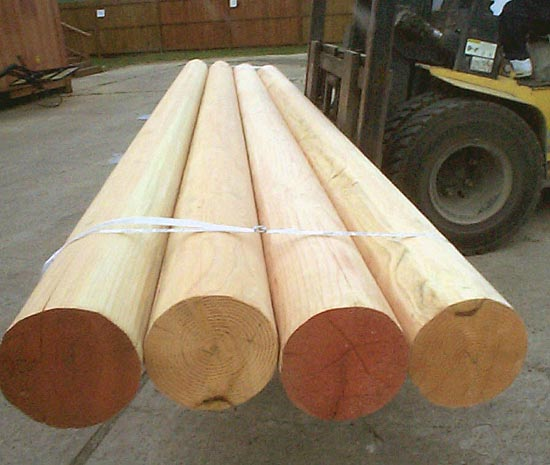
    Timber columns are a common feature in many architectural structures, from homes and offices to bridges and other buildings. They add beauty, warmth, and a natural look to these spaces. However, just like any other timber product, timber columns are exposed to weather and other environmental factors that can cause them to weaken over time. This can make them less reliable as structural elements.

    One way to protect timber columns and extend their life is by applying resin as a protective coating. Resin not only enhances the durability of timber columns but also allows architects to continue using wood in creative and sustainable ways.

    What Is Resin and How Does It Help?

    Resin is a sticky, thick material that can either come from nature, like the sap from trees, or be made from synthetic chemicals. It hardens when applied to a surface, creating a protective layer over that surface.

    When resin is applied to timber columns, it seals the wood from moisture, pests, and air, which can cause damage. This coating makes the wood last longer, stay stronger, and look better over time. It also reduces the need for repairs or replacement, saving both time and money.

    But Resin is like Varnish So What’s the Difference?

    Resin and varnish are both used to protect timber, but they differ in composition, durability, and application. Resin, which can be natural or synthetic, forms a thick, hard barrier that deeply penetrates the wood, providing superior protection against moisture, pests, and environmental damage.

    In contrast, varnish is a clear liquid made from oils, resins, and solvents that creates a glossy surface finish but lacks the deep penetration and durability of resin. Resin offers stronger, longer-lasting protection, especially for outdoor timber, as it seals the wood more effectively and withstands harsh weather conditions better than varnish.

    Additionally, resin enhances the structural integrity of timber, while varnish is more prone to wear, chipping, and fading over time. Overall, resin’s ability to provide deep, robust protection makes it a better choice for architectural timber, especially in environments exposed to moisture and extreme weather.

    How Resin Enhances Timber Columns in Architecture

    Architectural structures rely on strong and durable materials to stay safe and functional. Timber columns, while strong, can be affected by weather conditions and wear over time. Here are some ways resin improves timber columns in architecture:

    1. Protection from Water: Timber is especially vulnerable to water. Rain or moisture in the air can seep into the wood, causing it to rot or weaken. Resin creates a waterproof barrier around the timber column, preventing water from getting in. This makes timber columns a reliable option for both indoor and outdoor architectural designs.
    2. Prevents Cracking and Splitting: Timber naturally expands and contracts as it absorbs and loses moisture. This process can cause cracks, splits, and warping in the wood, especially in structural elements like columns. Resin fills in the tiny gaps in the timber and stops this cycle from happening, keeping the wood stable and intact.
    3. Improves Resistance to Pests: Certain insects, like termites and wood-boring beetles, can damage timber by eating away at the wood fibers. A resin coating can make it difficult for pests to get into the timber, adding an extra layer of defense.
    4. Preserves Aesthetic Appeal: Timber columns are often used for their natural beauty. Resin coatings can enhance the look of the wood by giving it a polished, smooth finish. It also protects the wood from fading or discoloring due to sunlight exposure, helping the timber keep its rich color and texture for longer.

    Why Use Timber Columns with Resin in Architecture?

    Timber is a renewable, eco-friendly material that has been used in architecture for centuries. However, without protection, it may not last as long as other building materials like steel or concrete. By using resin, architects can confidently design structures that include timber columns, knowing that the wood will remain strong and beautiful for many years.

    Here are a few benefits of using resin-coated timber columns in architectural projects:

    Here are a few drawbacks of using epoxy resin:

    1. High Cost
      Epoxy resin can be expensive compared to other wood treatments and protective coatings. The cost of the resin itself, combined with the tools and labor needed to apply it, can quickly add up, especially in large-scale architectural projects. This makes epoxy resin less affordable for some projects, especially when working with a limited budget.
    2. Complex Application Process
      Applying epoxy resin is not always a straightforward task. It requires careful preparation, mixing, and precise application to ensure proper protection. The surface must be completely clean and dry, and the resin must be applied in the right conditions, as moisture or dust can ruin the finish. Moreover, achieving an even, smooth coating requires skill and experience, which means professionals may need to be hired for the job, further increasing costs.
    3. Time-Consuming
      Epoxy resin takes time to apply and dry. Each coat needs several hours (sometimes days) to fully cure, and multiple layers are often required for full protection. This can extend the timeline of a construction project and cause delays, particularly in projects with tight deadlines.
    4. Health and Environmental Concerns
      Epoxy resin is made from chemicals that can be harmful to both human health and the environment. During the application process, it releases strong fumes that can cause irritation to the eyes, skin, and lungs if proper safety precautions are not followed. Prolonged exposure can even lead to more serious health issues. Additionally, the production and disposal of epoxy resin are not environmentally friendly, as the chemicals involved can have a negative impact on ecosystems and contribute to pollution.
    5. Limited UV Resistance
      One of the major downsides of epoxy resin is its poor resistance to ultraviolet (UV) light. Over time, exposure to sunlight can cause the resin to yellow, degrade, or lose its protective properties. To prevent this, a UV-resistant topcoat must be applied over the epoxy resin, which adds to the time and cost of the project.
    6. Brittleness Over Time
      Epoxy resin is very strong, but it can also become brittle as it ages, especially when exposed to changes in temperature or environmental conditions. This brittleness can cause the resin to crack, leading to the potential failure of the protective layer and requiring repairs or reapplication.
    7. Difficult Repairs
      Once applied, repairing or removing epoxy resin can be a challenging and labor-intensive process. If the resin gets damaged or begins to wear out, it often requires sanding, scraping, or using chemical solvents to remove it before applying a new layer. This can make maintenance more difficult and costly in the long run compared to other protective coatings.

    Conclusion

    Resin is a valuable tool for enhancing and protecting timber columns in architectural structures. By providing protection from water, pests, and environmental wear, resin ensures that timber remains a strong, durable, and beautiful building material. This makes timber columns a great choice for sustainable, long-lasting architectural designs that balance function and beauty.

    Architects and builders can use resin-coated timber columns in many types of structures, knowing that the wood will stand the test of time while maintaining its natural charm.

  • Why We Need to Build with Soul: The Resurgence of Vernacular Architecture

    In a Globalized World, Are Our Cities Losing Their Identity?

    In today’s globalized world, there are undeniable benefits—seamless information sharing, collaboration across borders, and easier trade. Yet, with these advantages, we see something fading: individuality. Particularly, the way we design and construct our buildings has begun to blend into a singular architectural style that has slowly eroded the soul and heritage of places.


    The Rise of the International Style and Its Cost

    As the world embraced modernity, architecture adopted the International Style—a movement characterized by sleek, functional buildings often devoid of ornamentation or local context. Cities around the globe saw skyscrapers and commercial buildings designed with clean lines, steel, and glass. While this style made construction more efficient, it came at the expense of uniqueness.

    As the skyline of one city started to mirror another, the identity of places blurred. The buildings, though inspired by different concepts, began to look strikingly similar across the globe, leaving local heritage behind.


    The Vernacular Revival: Reclaiming Identity Through Design

    At a time when we are focused on sustainability and reconnecting with our surroundings, vernacular architecture is making a well-timed resurgence. This architectural style champions the use of locally sourced materials, indigenous techniques, and a deep connection to the people and the environment. The advantage of vernacular design is that it doesn’t just create a physical space—it creates a story and a connection.

    Communities are no longer passive consumers in the building process but become active participants. Each home, school, or public space tells the story of the people who live there—their traditions, their relationship with the environment, and their specific needs.


    Building with Purpose and Place in Mind

    Just as each individual desires to express their uniqueness, so too do the places we inhabit. Vernacular buildings do not just stand; they belong. They fit into the landscape, responding to environmental challenges like extreme heat, rain, or cold, all while maintaining a unique identity.

    For example, adobe homes in desert climates cool naturally thanks to thick earthen walls, while stilt houses in flood-prone areas elevate above danger. These structures are not only solutions to practical problems but also reflections of the way people live, think, and interact with their surroundings.


    A Step Toward Sustainability and Connection

    As the push for sustainability grows, vernacular architecture stands as a beacon of what’s possible when we look around us. Rather than importing materials or adopting foreign designs that clash with local climates, vernacular styles cleverly use what is at hand to create buildings that are functional, beautiful, and connected to the land.

    Each building, whether a home or a public space, serves as a piece of cultural heritage, a symbol of how a community balances its traditions with the present-day needs for environmental mindfulness.


    The Craftsmanship Behind Vernacular Architecture: A Story of Culture and Reasoning

    Craftsmanship in vernacular architecture goes beyond the mere act of building; it reflects the way people approach life, problem-solving, and community. Every material chosen, every technique employed tells a story of tradition, adaptation, and ingenuity. For example, the intricate woodwork found in traditional Japanese homes speaks not only to the aesthetic value of precision but also to a deep respect for nature where timber is sourced locally and used efficiently, with minimal waste.

    Similarly, the layout of homes in many indigenous African communities, where courtyards are central to the design, reflects the importance of communal living and social interaction. These choices are not arbitrary; they are the result of centuries of knowledge passed down through generations, shaped by environmental challenges, cultural values, and social structures. The way a roof is thatched, a wall is woven, or a foundation is laid reveals the unique reasoning of a people—how they solve their specific problems while honoring their heritage. In this way, vernacular craftsmanship becomes a living narrative, connecting the past, present, and future of a community.


    Quick Fact: Did you know that traditional Maasai homes in Kenya are made of mud, sticks, grass, and cow dung? These materials not only keep homes cool in the extreme heat but also blend harmoniously with the environment.


    Engagement Section:
    What vernacular building techniques resonate most with you? Have you ever seen a building that truly embodies the essence of a place? Share your thoughts and stories with us!


    Resource of the Day:
    For more inspiration on vernacular architecture, check out “The Barefoot Architect” by Johan van Lengen, a guide to building with sustainable, locally sourced materials in diverse climates.


    Closing Thought:
    Every building has the potential to tell a story. The question is, will it be a story of conformity or one of deep-rooted connection to people and place?