
This article takes a look at traditional the African Vernacular experience, it can inspire modern design in new and interesting ways. Imagine stepping into a building that feels like more than just walls and a roof. What if a space tells the story of the people who live there their daily lives, customs, and history?
The future of architecture is culture. Philip Johnson.
In architecture, capturing the spirit of a place goes beyond looks or materials. It’s about creating spaces that feel alive with the stories of time, place, and circumstance.
Architects can use design inspired by the unique experiences. They can also draw inspiration from social interactions and local customs. This method allows them to create spaces deeply connected to the people who use them. This article shows how these traditional experiences guide designers. They help in making intentional choices. These choices allow modern spaces to show the true essence of a community.
Vernacular African Experience

The Vernacular African Experience is deeply rooted in the ways communities live. It is also rooted in how they interact and connect with each other. This experience reflects a lifestyle where community bonds and traditions shape daily life, creating a sense of unity and purpose. It includes storytelling, communal gatherings, and rituals that bring people together, highlighting values like respect, cooperation, and social harmony. These practices are not only social. They are also ways for people to pass down wisdom. They celebrate life events and reinforce a shared identity.

This experience also shows a strong connection to the land and nature. In many African cultures, natural elements are not just resources but are seen as living parts of the world. The environment influences daily routines, with communities adapting their lifestyles to work with the seasons, climate, and natural surroundings. Respect for nature and balance between people and the environment is vital to the Vernacular African Experience. It emphasizes a way of life that values human relationships and harmony with the earth.
Social Interactions
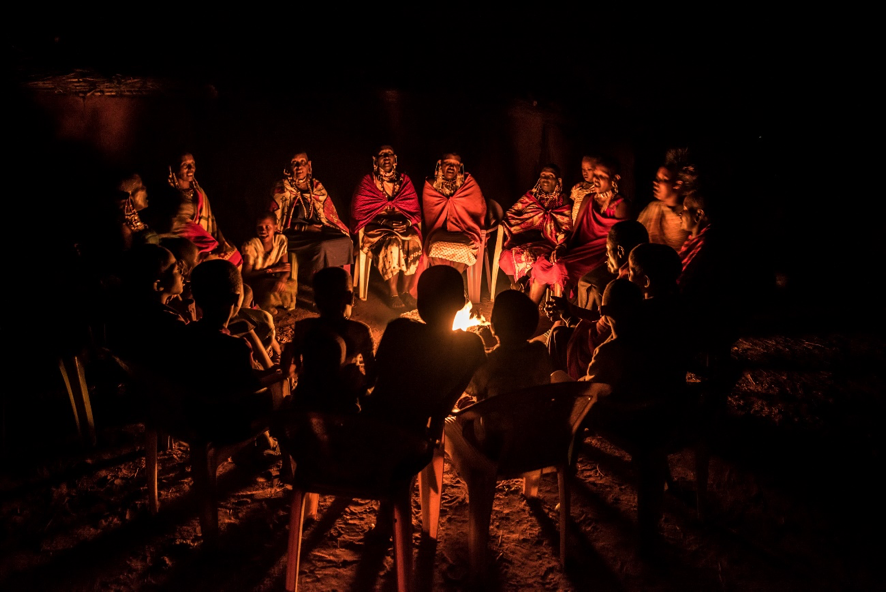
As humans, we are naturally social and have always found ways to interact, share stories, and pass on wisdom. Storytelling around a fire, for example, is a concept as old as time. This idea can inspire the design of spaces. For instance, a space inspired by “storytelling around a fire” can be created as a learning space.
The tradition of oral learning created an intense, immersive experience. People would gather around a fire at night. They focused on the stories without distractions. Even when brought indoors, the fireplace acted as a gathering point, making people feel close and focused.

Today, we see this concept in spaces like auditoriums, classrooms, and theaters. These places are often designed to center around a focal point. This point is a speaker or presenter, acting like the “fireplace.” Such spaces are intended to encourage focus, just as traditional spaces did.


A Collaborative Discussion Space
In all societies, there are leaders who guide and make decisions for the group. Throughout history, leaders often gathered around a fire for discussions. The seating around the fire reflected a clear sense of hierarchy. The fire acted as a gathering point, even if the meetings took place in semi-outdoor or indoor spaces.This is can serve as an inspiration for creating a modern meeting space based on a traditional African experience.

Modern Applications
In the case of renowned architect, Francis Kéré, he tried to emulate an experience. He took inspiration from the great tree in his hometown of Gando. Under this tree, members of the community meet to reflect on the day. Kéré’s design is based on creating this sense of community while connecting people with nature.

A big, see-through roof made of steel covers all of Kéré’s Serpentine Pavilion. It makes it feel like you’re standing under a tree. It lets sunlight in but keeps out the rain. Wooden shades under the roof create shifting shadows. They resemble light through tree branches. The shadows change as the sun and clouds move across the sky.

This traditional setup can inspire today’s political meeting rooms or council chambers. The arrangement of seats around a central point brings a sense of order. It allows for focused discussions in a structured environment.
A market organized around an ancestral tree.
In rural Niger, markets are held weekly, so individual villages rarely develop a thriving local economy. As Dandaji’s population has grown, the town has taken steps to change this by establishing a permanent daily market. The existing market is centered around an ancient tree. This tree is a meaningful gathering place on Market Day.

So, the new project stays on this site. It enhances a familiar experience the community values. The goal was to create an eye-catching structure. It would inspire pride among locals. It also aims to attract more business to the area. Beyond just improving the market, the project aims to build a space that boosts community confidence. It opens new hopes for the future. This is achieved by offering a remarkable upgrade to this public space.

Architecture should speak of its time and place, but yearn for timelessness.” Frank Gehry
Conclusion:
In conclusion, capturing the essence of traditional architecture goes beyond merely replicating older designs. It’s about integrating the experiences of the people who have inhabited those spaces. It also involves their values and ways of life. We can draw inspiration from practices like storytelling around a fire. Communal discussions and spatial hierarchies can also inspire us. With these inspirations, we can create modern environments that resonate with these timeless traditions.
This approach not only preserves cultural values but also fosters functional and inspiring spaces for today’s world. As we continue this journey, let’s engage in a dialogue about how we can further blend cultural heritage with contemporary design. Your thoughts and insights are essential to shaping a future where architecture truly reflects the rich tapestry of our communities.
FAQs
What is the African Vernacular Experience and why is it important in modern architecture?
The African Vernacular Experience refers to the study and application of traditional African architectural practices, materials, and spatial organization. It is important in modern architecture because it emphasizes climate-responsive designs, sustainable materials, and culturally meaningful spaces. By learning from these traditional methods, architects can create modern buildings that are functional, eco-friendly, and deeply connected to local communities.
How does the African Vernacular Experience influence intentional space design in contemporary buildings?
The African Vernacular Experience inspires intentional space design by integrating cultural values, natural materials, and spatial hierarchies found in traditional African dwellings. Contemporary architects use these principles to design spaces that prioritize human comfort, social interaction, and environmental sustainability. This approach ensures that buildings not only serve practical needs but also convey meaning and identity.
What traditional principles define the African Vernacular Experience in sustainable design?
Key principles of the African Vernacular Experience include passive cooling, natural ventilation, use of locally sourced materials, and respect for the surrounding landscape. These methods promote sustainability by reducing energy consumption, minimizing environmental impact, and extending the lifespan of buildings. Applying these principles today helps architects achieve eco-conscious designs that align with modern sustainability standards.
Can the African Vernacular Experience provide solutions for climate-responsive architecture today?
Yes. The African Vernacular Experience offers practical solutions for climate-responsive architecture through techniques such as orientation for optimal sun exposure, thick earthen walls for insulation, and shaded courtyards for natural cooling. Modern architects can adapt these strategies to contemporary structures, reducing reliance on artificial heating and cooling while creating comfortable, energy-efficient spaces.
How are communities preserving the African Vernacular Experience in modern urban development?
Communities preserve the African Vernacular Experience by documenting traditional building techniques, restoring historic structures, and integrating vernacular principles into new developments. Cultural festivals, workshops, and educational programs also raise awareness of these practices. By combining tradition with modern design, communities maintain cultural identity while promoting sustainability in rapidly urbanizing areas.