Tag: timber

  • Sustainable Solutions for Stronger Vernacular Structures

    How to Take It to the Next Level.

    Vernacular architecture uses local traditions, materials, and techniques. It builds homes and structures that fit perfectly into their natural surroundings. These buildings, found in communities around the world, are specially designed to work with local climates and resources. But today, environmental challenges like extreme weather and climate change are becoming more common. Some traditional building methods struggle to keep up.

    By strengthening and updating these techniques, we ensure these buildings last longer. We also maintain their safety. Additionally, they continue to celebrate their unique cultural heritage. Here are ten simple ways to make vernacular architecture more resilient and sustainable for the future.

    1. Stone Base for Earth Walls

    Raising earth walls off the ground by placing them on a stone base helps protect against moisture. Stones provide a sturdy, durable foundation. This prevents water from wicking up into the earth walls. As a result, the risk of erosion and structural weakening is reduced over time.

    Stone base with brick work being laid on top the same concept can be used for Earth Walls. Photography By Will Boase

    2. Concrete or Metal Base for Timber Columns

    Timber columns are vulnerable to moisture and insect attacks if they come into direct contact with the ground. A concrete or metal base raises the timber slightly off the ground. This protects it from moisture and decay. This increases the life of the timber columns and keeps the overall structure more secure.

    Concrete or metal bases lift timber columns off the ground, protecting against moisture and extending their lifespan.

    3. Timber-Steel Connections

    Using steel for timber connections can greatly improve the strength and stability of a building’s framework. Steel connectors hold timber joints tightly, making them less likely to shift or weaken. This connection method is ideal for ensuring the longevity of wooden frameworks, which are often used in vernacular architecture.

    Timber-steel connections add strength and durability, creating a stable framework for lasting architectural structures. Tim McClellan Designs.

    4. Japanese Wood Joinery Techniques

    Japanese joinery, or “kigumi,” uses interlocking wood techniques instead of nails or metal fasteners. This technique is especially useful in humid environments because metal fasteners tend to rust, which can damage the wood. By using these intricate wood joints, structures can remain durable without relying on materials that degrade over time.

    Seven unique ways that two pieces can be joined. ScitechDaily.com

    Comparison

    This comparison aims to highlight which method is best suited to specific conditions. The Japanese wood joinery technique, for instance, relies solely on craftsmanship. It uses basic tools and reflects a core principle of vernacular architecture: utilizing readily available resources. This approach emphasizes resourcefulness and skilled labor over complex materials, making it an enduring and sustainable method.

    Japanese Wood Joinery TechniquesUse of Nails and Wood Glue
    Can cater to different climate taking into account temperature humidity which affects furniture over time.The durability depends on the quality of the connectors and hardware used.
    Can easily flex under pressure which made it suitable for earthquake prone places.Rigid and sturdy making breaking much more likely
    Because it involves assembly replacing incase of damage becomes easy.Incase of damage replacing need some level of dismantling or sawing

    5. Non-Load Bearing Earth Walls

    One way to prevent heavy loads from damaging earth walls is by making them non-load bearing. Instead of supporting the roof directly on earth walls, exterior columns can take on the weight of the roof. This way, the earth walls only act as partitions, which helps keep them intact and prevents cracks or damage.

    Exterior columns can take on the weight of the roof. Kéré Architecture.

    6. Cross-Laminated Timber (CLT)

    Timber is a common material in vernacular architecture, and cross-laminated timber (CLT) improves its resilience. CLT is engineered for added strength, stability, and fire resistance. It is suitable for modern construction. Meanwhile, it retains the look and feel of traditional timber.

    7. Concrete and Steel for Structural Systems

    Concrete and steel are used for foundations and structural elements. This ensures that the main framework of the building is strong. It also keeps the framework stable. These materials can be concealed with traditional finishes, allowing the structure to have modern strength while maintaining a vernacular appearance.

    Minimal use of concrete for columns and beams.The secondary school in Dano, Burkina Faso. Wikipedia.

    8. Large Overhangs

    Adding large roof overhangs protects traditional building materials, such as earth walls, from the elements. Overhangs shield walls from direct sunlight and rain, which can erode surfaces over time. This technique helps prolong the life of traditional materials, especially in areas with intense weather patterns.

    Overhangs creating shade shielding walls from prolonged exposure from the sun.

    9. Screens for Ventilation and Light Control

    Vernacular buildings often have minimal openings. However, adding screens can improve indoor light and ventilation. This change maintains privacy and a traditional look. Screens allow for natural airflow and soft lighting. They create a balanced indoor environment without compromising the characteristic appearance of vernacular structures.

    Sharon Davis Design Partners in health housing Rwanda. Design Boom.

    10. Earth and Lime Plaster Mix

    Applying a mix of earth and lime to earth walls can enhance their strength and adhesive properties. Lime adds durability and water resistance, while earth plasters retain a soft texture and natural look. This blend results in a tougher exterior that can endure weather exposure while still fitting into the traditional design.

    Earth Plaster Wall. Mustard Seed Junior School.

    Incorporating these techniques can significantly enhance the resilience of vernacular architecture, blending traditional style with modern durability. These methods help ensure that these structures can withstand environmental stresses. They preserve the cultural and aesthetic value of local building practices.

    Future Implications

    The future of vernacular architecture holds exciting potential as a response to climate challenges. It also serves as a means of reviving the unique architectural identities of various regions. Vernacular architecture reflects the distinct ways communities address environmental and social needs through design. It honors local traditions. It also adapts to contemporary sustainability goals.

    Forward and Backward Thinking: Integrating Biomimicry with Vernacular Design for Sustainable Architecture.

    Our era demands both forward and backward thinking(progressive but also using the learning of the past) in eco-friendly construction. Integrating biomimicry with vernacular design offers a compelling path. This fusion allows architects to leverage nature-inspired innovations while honoring traditional methods, creating a harmonious blend of progress and heritage. The urgency for sustainability is increasing. Vernacular architecture powerfully reminds us of how regional wisdom can guide modern practices. These practices are climate-resilient.

    Conclusion

    Embracing traditional design principles offers a wealth of universally applicable techniques. This is especially true when considering the resilience and adaptability of vernacular architecture in the face of criticism. These approaches not only honor cultural heritage but also integrate context-driven solutions that respond to environmental, social, and economic needs. This fusion of tradition and innovation gives architecture the ability to stay relevant. It makes architecture resilient and keeps it in harmony with the communities and ecosystems it serves.

    Interested in learning more about strengthening traditional structures? Share your thoughts or explore other techniques to make vernacular architecture even more resilient. Let’s keep the conversation going!
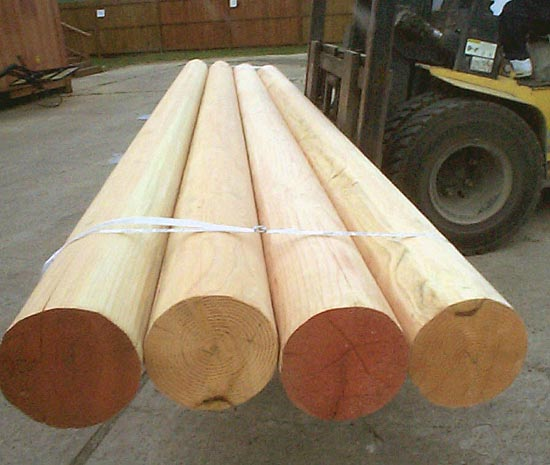
  • Using Resin to Protect Timber Columns in Architectural Structures

    Timber columns are a common feature in many architectural structures, from homes and offices to bridges and other buildings. They add beauty, warmth, and a natural look to these spaces. However, just like any other timber product, timber columns are exposed to weather and other environmental factors that can cause them to weaken over time. This can make them less reliable as structural elements.

    One way to protect timber columns and extend their life is by applying resin as a protective coating. Resin not only enhances the durability of timber columns but also allows architects to continue using wood in creative and sustainable ways.

    What Is Resin and How Does It Help?

    Resin is a sticky, thick material that can either come from nature, like the sap from trees, or be made from synthetic chemicals. It hardens when applied to a surface, creating a protective layer over that surface.

    When resin is applied to timber columns, it seals the wood from moisture, pests, and air, which can cause damage. This coating makes the wood last longer, stay stronger, and look better over time. It also reduces the need for repairs or replacement, saving both time and money.

    But Resin is like Varnish So What’s the Difference?

    Resin and varnish are both used to protect timber, but they differ in composition, durability, and application. Resin, which can be natural or synthetic, forms a thick, hard barrier that deeply penetrates the wood, providing superior protection against moisture, pests, and environmental damage.

    In contrast, varnish is a clear liquid made from oils, resins, and solvents that creates a glossy surface finish but lacks the deep penetration and durability of resin. Resin offers stronger, longer-lasting protection, especially for outdoor timber, as it seals the wood more effectively and withstands harsh weather conditions better than varnish.

    Additionally, resin enhances the structural integrity of timber, while varnish is more prone to wear, chipping, and fading over time. Overall, resin’s ability to provide deep, robust protection makes it a better choice for architectural timber, especially in environments exposed to moisture and extreme weather.

    How Resin Enhances Timber Columns in Architecture

    Architectural structures rely on strong and durable materials to stay safe and functional. Timber columns, while strong, can be affected by weather conditions and wear over time. Here are some ways resin improves timber columns in architecture:

    1. Protection from Water: Timber is especially vulnerable to water. Rain or moisture in the air can seep into the wood, causing it to rot or weaken. Resin creates a waterproof barrier around the timber column, preventing water from getting in. This makes timber columns a reliable option for both indoor and outdoor architectural designs.
    2. Prevents Cracking and Splitting: Timber naturally expands and contracts as it absorbs and loses moisture. This process can cause cracks, splits, and warping in the wood, especially in structural elements like columns. Resin fills in the tiny gaps in the timber and stops this cycle from happening, keeping the wood stable and intact.
    3. Improves Resistance to Pests: Certain insects, like termites and wood-boring beetles, can damage timber by eating away at the wood fibers. A resin coating can make it difficult for pests to get into the timber, adding an extra layer of defense.
    4. Preserves Aesthetic Appeal: Timber columns are often used for their natural beauty. Resin coatings can enhance the look of the wood by giving it a polished, smooth finish. It also protects the wood from fading or discoloring due to sunlight exposure, helping the timber keep its rich color and texture for longer.

    Why Use Timber Columns with Resin in Architecture?

    Timber is a renewable, eco-friendly material that has been used in architecture for centuries. However, without protection, it may not last as long as other building materials like steel or concrete. By using resin, architects can confidently design structures that include timber columns, knowing that the wood will remain strong and beautiful for many years.

    Here are a few benefits of using resin-coated timber columns in architectural projects:

    Here are a few drawbacks of using epoxy resin:

    1. High Cost
      Epoxy resin can be expensive compared to other wood treatments and protective coatings. The cost of the resin itself, combined with the tools and labor needed to apply it, can quickly add up, especially in large-scale architectural projects. This makes epoxy resin less affordable for some projects, especially when working with a limited budget.
    2. Complex Application Process
      Applying epoxy resin is not always a straightforward task. It requires careful preparation, mixing, and precise application to ensure proper protection. The surface must be completely clean and dry, and the resin must be applied in the right conditions, as moisture or dust can ruin the finish. Moreover, achieving an even, smooth coating requires skill and experience, which means professionals may need to be hired for the job, further increasing costs.
    3. Time-Consuming
      Epoxy resin takes time to apply and dry. Each coat needs several hours (sometimes days) to fully cure, and multiple layers are often required for full protection. This can extend the timeline of a construction project and cause delays, particularly in projects with tight deadlines.
    4. Health and Environmental Concerns
      Epoxy resin is made from chemicals that can be harmful to both human health and the environment. During the application process, it releases strong fumes that can cause irritation to the eyes, skin, and lungs if proper safety precautions are not followed. Prolonged exposure can even lead to more serious health issues. Additionally, the production and disposal of epoxy resin are not environmentally friendly, as the chemicals involved can have a negative impact on ecosystems and contribute to pollution.
    5. Limited UV Resistance
      One of the major downsides of epoxy resin is its poor resistance to ultraviolet (UV) light. Over time, exposure to sunlight can cause the resin to yellow, degrade, or lose its protective properties. To prevent this, a UV-resistant topcoat must be applied over the epoxy resin, which adds to the time and cost of the project.
    6. Brittleness Over Time
      Epoxy resin is very strong, but it can also become brittle as it ages, especially when exposed to changes in temperature or environmental conditions. This brittleness can cause the resin to crack, leading to the potential failure of the protective layer and requiring repairs or reapplication.
    7. Difficult Repairs
      Once applied, repairing or removing epoxy resin can be a challenging and labor-intensive process. If the resin gets damaged or begins to wear out, it often requires sanding, scraping, or using chemical solvents to remove it before applying a new layer. This can make maintenance more difficult and costly in the long run compared to other protective coatings.

    Conclusion

    Resin is a valuable tool for enhancing and protecting timber columns in architectural structures. By providing protection from water, pests, and environmental wear, resin ensures that timber remains a strong, durable, and beautiful building material. This makes timber columns a great choice for sustainable, long-lasting architectural designs that balance function and beauty.

    Architects and builders can use resin-coated timber columns in many types of structures, knowing that the wood will stand the test of time while maintaining its natural charm.

  • How to Slow Down the Maturation Process in Timber Using Resin.

    Timber, or wood, is a natural material that we use for many things, like building houses, making furniture, and creating different wooden products. However, one big problem with timber is that it ages, or “matures,” over time. When timber matures, it can become weak, crack, and even rot, especially when exposed to weather conditions like rain, sunlight, and wind. This means that the wood won’t last as long and may need expensive repairs or replacement.

    Luckily, there is a way to help slow down this process using something called resin. Resin is a sticky substance that can be used to protect the timber and make it last longer.

    What Is Resin?

    Resin is a thick, sticky material that comes from trees or is made from chemicals. You might have seen natural resin dripping from tree bark, especially pine trees. This natural resin protects trees from damage. Similarly, when we apply resin to timber, it helps seal the wood, protecting it from water, air, and other things that cause it to mature quickly.

    How Resin Slows Down Maturation

    When timber is left untreated, it naturally absorbs moisture from the air and loses it when it’s dry. This constant process of absorbing and losing moisture causes the wood to expand and shrink, making it crack and weaken over time. This is what we mean by the maturation process. If left untreated, this can cause serious damage to timber.

    However, when resin is applied to timber, it fills up the tiny spaces in the wood and forms a protective layer. This layer prevents water from entering and stops air from drying the wood too much. As a result, the timber doesn’t crack as easily, and the process of maturation is slowed down.

    Why Is This Important?

    Slowing down the maturation process of timber is important because it makes the wood last longer, which saves money in the long run. Without using protective methods like resin, timber may need frequent maintenance or replacement, which can be costly. Timber treated with resin can also be used outdoors, where it is exposed to rain, sun, and wind, without decaying as quickly.

    Steps to Arrest Maturation Using Resin

    1. Prepare the Timber: Before applying resin, the timber needs to be clean and dry. Dirt and moisture can prevent the resin from sticking properly.
    2. Apply the Resin: The resin is applied using a brush or roller, just like you would apply paint. It should be spread evenly over the timber surface, making sure all areas are covered.
    3. Let It Dry: After applying the resin, it needs time to dry and harden. This can take several hours, depending on the type of resin used.
    4. Apply Additional Layers: Sometimes, a single layer of resin is not enough. For extra protection, more layers can be applied after the first one dries.
    5. Final Touches: Once the resin is completely dry, the timber is ready to be used. Some people may also choose to paint or stain the timber after applying the resin.

    Conclusion

    Using resin to slow down the maturation process of timber is a simple but effective way to preserve wood. By sealing the wood and protecting it from moisture and air, resin helps timber last longer, even when it’s exposed to harsh weather conditions. This method not only helps keep the timber strong and beautiful, but it also saves money by reducing the need for frequent repairs or replacements.

    Next time you see timber in a building or furniture, think about how resin can help keep it looking good and lasting a long time!