Discover the full guide to rammed earth construction. Learn about benefits, costs, sustainability, and how this ancient building technique is revolutionizing modern architecture.

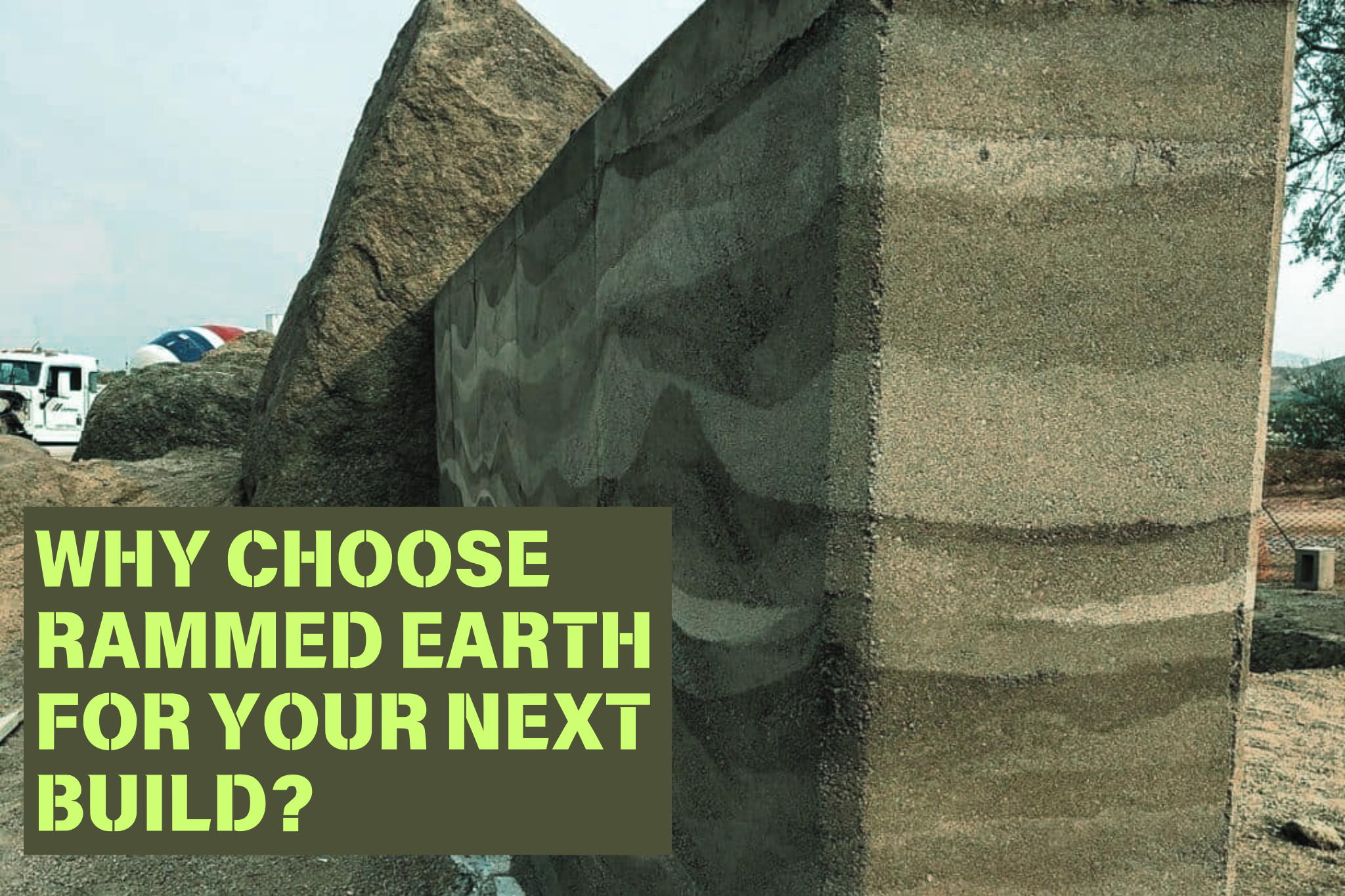
Walking through a rammed earth home for the first time was a revelation I’ll never forget. The walls had distinct layers of compressed soil. These created natural art patterns. They maintained a perfect temperature despite the scorching summer heat outside. That was ten years ago, and it completely changed my perspective on sustainable architecture. Did you know that rammed earth structures can last over 1,000 years? The Great Wall of China’s oldest sections, built using this technique, stand as testament to its durability!
What is Rammed Earth Construction?

Think of rammed earth as nature’s concrete. This ancient building technique involves compacting layers of earth mixture between forms to create solid, durable walls. Don’t let its age fool you. Modern rammed earth construction has evolved significantly. It still maintains its core sustainable principles.
Key components of rammed earth construction include:
- Local soil (typically 70% sand and gravel, 30% clay)
- Natural stabilizers (sometimes small amounts of cement or lime)
- Mechanical compactors
- Firework systems
- Skilled labor and skill
I’ve seen projects where builders sourced over 80% of their materials directly from the construction site. This approach significantly reduces transportation costs. It also lowers the carbon footprint!
The Environmental Impact: Why Earth Matters

The environmental benefits of rammed earth construction are frankly astounding. Let me break this down with some real numbers I’ve gathered over years of research:
- Carbon Footprint Reduction:
- Up to 90% less CO2 emissions compared to conventional concrete construction
- Zero waste production when using on-site soil
- Minimal transportation emissions with local materials
- Energy Efficiency:
- 40-50% reduction in heating/cooling costs
- Natural temperature regulation
- Superior insulation properties

Here’s what truly amazes me: a properly constructed rammed earth wall can last centuries while maintaining its thermal properties. I’ve visited homes in Arizona. Indoor temperatures stay around 72°F (22°C) with minimal air conditioning. This is remarkable when it’s 100°F (38°C) outside!
The Real Benefits: Beyond Environmental Impact
I have worked with various sustainable building approaches. I can confidently say that rammed earth offers unique advantages. Other Eco-friendly options can’t match these advantages.
Durability and Strength
- Compression strength comparable to concrete
- Fire-resistant properties
- Pest-resistant
- Weather-resistant
- Earthquake-resistant when properly reinforced
Health and Comfort Benefits:
- Natural humidity regulation
- Zero VOC emissions
- Excellent sound insulation (perfect for urban settings!)
- Allergen-free environment
- Better indoor air quality
One of my clients is a family with severe allergies. They reported total relief from symptoms within weeks of moving into their rammed earth home. The natural materials and absence of synthetic building products made a dramatic difference in their quality of life.
Cost Considerations: The Truth About Rammed Earth
Let’s talk numbers. While beginning costs can be 5-15% higher than conventional construction, the long-term savings are significant:

Beginning Costs (Based on 2024 Data):
- Labor: $150-300 per square meter
- Materials: $50-100 per square meter (significantly less if using on-site soil)
- Equipment: $5,000-15,000 for basic setup
Long-term Savings:
- Energy costs reduced by up to 45% annually
- Maintenance costs near zero for first 25 years
- Insurance premiums often lower due to durability
- Property value increase of 10-20% (based on recent market analysis)
Pro Tip: I’ve found that the sweet spot for cost efficiency is a project between 1,500-2,500 square feet. This size allows for optimal use of equipment and labor while maintaining quality control.
The Construction Process: What to Expect

Having overseen numerous rammed earth projects, I can attest that proper planning is crucial. Here’s what the process typically looks like:
- Site Assessment and Soil Testing:
- Soil composition analysis
- Structural requirements evaluation
- Climate considerations
- Local building code review
- Material Preparation:
- Soil screening and mixing
- Moisture content improvement
- Stabilizer addition if required
- Construction Phase:
- Formwork installation
- Layer-by-layer compaction (typically 6-8 inches per layer)
- Quality control testing
- Curing time management
The most common mistake I see? Rushing the soil testing phase. Trust me, proper soil composition is absolutely crucial for long-term success.
Foundation connection details specific to rammed earth construction.
Looking to the Future
The future of rammed earth construction is incredibly exciting. We’re seeing innovations like:

- Computer-controlled compaction systems
- New stabilizer technologies
- Prefabricated rammed earth panels
- Integration with smart home technologies
- Advanced thermal performance monitoring

I recently visited a project in California where they’re using AI to improve soil mixtures and compression techniques. The results are promising – stronger walls with even better thermal properties!

Conclusion: Is Rammed Earth Right for You?
I have spent years in sustainable construction. I can say that rammed earth isn’t just a building method. It’s a commitment to sustainable living that doesn’t compromise on comfort or style. It does not suit every situation. Nevertheless, it offers unparalleled benefits for those seeking a truly sustainable home. It is also perfect for those looking for a healthy and beautiful living space.
Before you start your rammed earth journey, ask yourself:
- Is your local climate suitable for earth construction?
- Do you have access to qualified contractors?
- Are your local building codes compatible with rammed earth?
- Is the first investment within your budget?


Ready to explore rammed earth construction for your next project? Start by connecting with local sustainable building associations or experienced rammed earth contractors. The earth is waiting – let’s build something amazing!
Have questions about rammed earth construction? Share them in the comments below, and let’s continue this conversation about sustainable building practices!
FAQs
Is rammed earth construction worth the cost?
Yes, rammed earth construction is worth the cost for builders seeking long-term value and sustainability. While upfront costs can be higher than conventional materials, rammed earth offers low maintenance, exceptional durability, and reduced energy bills over time, making it cost-effective across the building’s lifespan.
What are the main advantages of rammed earth buildings compared to concrete or brick?
Rammed earth buildings offer superior thermal mass, lower environmental impact, and healthier indoor air quality compared to concrete or brick. They use natural materials, require less cement, and provide better temperature regulation, resulting in more energy-efficient and comfortable spaces.
How long do rammed earth buildings last?
Rammed earth buildings are extremely durable and can last for centuries when properly designed and maintained. Historical rammed earth structures still standing today demonstrate the material’s strength, resistance to fire and pests, and long-term structural stability.
Does rammed earth reduce heating and cooling costs?
Yes, rammed earth significantly reduces heating and cooling costs due to its high thermal mass. The thick walls absorb heat during the day and release it slowly at night, stabilizing indoor temperatures and reducing reliance on mechanical heating and cooling systems.
Is rammed earth suitable for modern homes and urban construction?
Rammed earth is well suited for modern homes and urban construction when integrated with contemporary design and engineering standards. It can be combined with steel, timber, and concrete systems, making it adaptable to modern layouts, building codes, and aesthetic requirements.