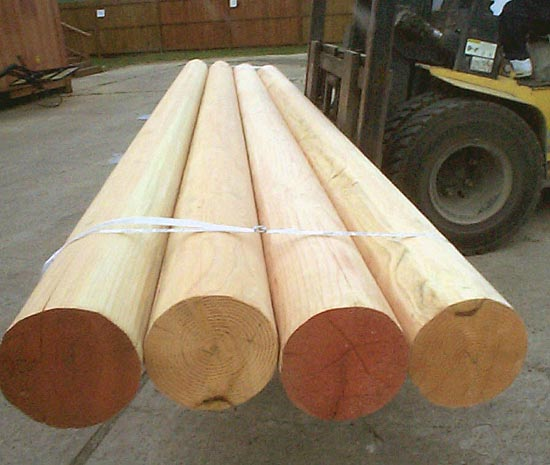
Using Resin to Protect Timber Columns is usually not the obvious solution that comes to mind. Timber columns are a common feature in many architectural structures, from homes and offices to bridges and other buildings. They add beauty, warmth, and a natural look to these spaces. However, just like any other timber product, timber columns are exposed to weather and other environmental factors that can cause them to weaken over time. This can make them less reliable as structural elements.
One way to protect timber columns and extend their life is by applying resin as a protective coating. Resin not only enhances the durability of timber columns but also allows architects to continue using wood in creative and sustainable ways.
What Is Resin and How Does It Help?
Resin is a sticky, thick material that can either come from nature, like the sap from trees, or be made from synthetic chemicals. It hardens when applied to a surface, creating a protective layer over that surface.
When resin is applied to timber columns, it seals the wood from moisture, pests, and air, which can cause damage. This coating makes the wood last longer, stay stronger, and look better over time. It also reduces the need for repairs or replacement, saving both time and money.
But Resin is like Varnish So What’s the Difference?
Resin and varnish are both used to protect timber, but they differ in composition, durability, and application. Resin, which can be natural or synthetic, forms a thick, hard barrier that deeply penetrates the wood, providing superior protection against moisture, pests, and environmental damage.
In contrast, varnish is a clear liquid made from oils, resins, and solvents that creates a glossy surface finish but lacks the deep penetration and durability of resin. Resin offers stronger, longer-lasting protection, especially for outdoor timber, as it seals the wood more effectively and withstands harsh weather conditions better than varnish.
Additionally, resin enhances the structural integrity of timber, while varnish is more prone to wear, chipping, and fading over time. Overall, resin’s ability to provide deep, robust protection makes it a better choice for architectural timber, especially in environments exposed to moisture and extreme weather.
How Resin Enhances Timber Columns in Architecture
Architectural structures rely on strong and durable materials to stay safe and functional. Timber columns, while strong, can be affected by weather conditions and wear over time. Here are some ways resin improves timber columns in architecture:
- Protection from Water: Timber is especially vulnerable to water. Rain or moisture in the air can seep into the wood, causing it to rot or weaken. Resin creates a waterproof barrier around the timber column, preventing water from getting in. This makes timber columns a reliable option for both indoor and outdoor architectural designs.
- Prevents Cracking and Splitting: Timber naturally expands and contracts as it absorbs and loses moisture. This process can cause cracks, splits, and warping in the wood, especially in structural elements like columns. Resin fills in the tiny gaps in the timber and stops this cycle from happening, keeping the wood stable and intact.
- Improves Resistance to Pests: Certain insects, like termites and wood-boring beetles, can damage timber by eating away at the wood fibers. A resin coating can make it difficult for pests to get into the timber, adding an extra layer of defense.
- Preserves Aesthetic Appeal: Timber columns are often used for their natural beauty. Resin coatings can enhance the look of the wood by giving it a polished, smooth finish. It also protects the wood from fading or discoloring due to sunlight exposure, helping the timber keep its rich color and texture for longer.
Why Use Timber Columns with Resin in Architecture?
Timber is a renewable, eco-friendly material that has been used in architecture for centuries. However, without protection, it may not last as long as other building materials like steel or concrete. By using resin, architects can confidently design structures that include timber columns, knowing that the wood will remain strong and beautiful for many years.
Here are a few benefits of using resin-coated timber columns in architectural projects:
Here are a few drawbacks of using epoxy resin:
- High Cost
Epoxy resin can be expensive compared to other wood treatments and protective coatings. The cost of the resin itself, combined with the tools and labor needed to apply it, can quickly add up, especially in large-scale architectural projects. This makes epoxy resin less affordable for some projects, especially when working with a limited budget. - Complex Application Process
Applying epoxy resin is not always a straightforward task. It requires careful preparation, mixing, and precise application to ensure proper protection. The surface must be completely clean and dry, and the resin must be applied in the right conditions, as moisture or dust can ruin the finish. Moreover, achieving an even, smooth coating requires skill and experience, which means professionals may need to be hired for the job, further increasing costs. - Time-Consuming
Epoxy resin takes time to apply and dry. Each coat needs several hours (sometimes days) to fully cure, and multiple layers are often required for full protection. This can extend the timeline of a construction project and cause delays, particularly in projects with tight deadlines. - Health and Environmental Concerns
Epoxy resin is made from chemicals that can be harmful to both human health and the environment. During the application process, it releases strong fumes that can cause irritation to the eyes, skin, and lungs if proper safety precautions are not followed. Prolonged exposure can even lead to more serious health issues. Additionally, the production and disposal of epoxy resin are not environmentally friendly, as the chemicals involved can have a negative impact on ecosystems and contribute to pollution. - Limited UV Resistance
One of the major downsides of epoxy resin is its poor resistance to ultraviolet (UV) light. Over time, exposure to sunlight can cause the resin to yellow, degrade, or lose its protective properties. To prevent this, a UV-resistant topcoat must be applied over the epoxy resin, which adds to the time and cost of the project. - Brittleness Over Time
Epoxy resin is very strong, but it can also become brittle as it ages, especially when exposed to changes in temperature or environmental conditions. This brittleness can cause the resin to crack, leading to the potential failure of the protective layer and requiring repairs or reapplication. - Difficult Repairs
Once applied, repairing or removing epoxy resin can be a challenging and labor-intensive process. If the resin gets damaged or begins to wear out, it often requires sanding, scraping, or using chemical solvents to remove it before applying a new layer. This can make maintenance more difficult and costly in the long run compared to other protective coatings.
Conclusion
Resin is a valuable tool for enhancing and protecting timber columns in architectural structures. By providing protection from water, pests, and environmental wear, resin ensures that timber remains a strong, durable, and beautiful building material. This makes timber columns a great choice for sustainable, long-lasting architectural designs that balance function and beauty.
Architects and builders can use resin-coated timber columns in many types of structures, knowing that the wood will stand the test of time while maintaining its natural charm.
FAQs
What does using resin to protect timber columns in architectural structures involve?
Using resin to protect timber columns generally involves impregnating or coating the wood with a resin material (often epoxy or similar polymers) to enhance durability, moisture resistance, and structural performance. Resins can penetrate the wood surface and form a protective layer that reduces vulnerability to decay, insects, and weathering, helping structural timber last longer in architectural applications.
Why is using resin to protect timber columns in architectural structures important?
Timber used in architectural structures can be prone to moisture uptake, biological decay, and mechanical wear. Using resin as a protective measure improves resistance to such threats and can help prevent degradation that could compromise the column’s load-bearing capacity and service life. This helps ensure structural safety and reduces long-term maintenance costs.
What types of resin are commonly used for protecting timber columns in buildings?
Epoxy resins and other wood-impregnation resins are frequently used to protect and reinforce timber columns in construction. Epoxy systems are favored for their strong adhesion, resistance to moisture, and compatibility with wood substrates, while impregnation resins can enhance strength and durability by penetrating cell walls.
Can resin protection extend the life of timber columns in architectural structures?
Yes when properly applied, resin treatments can significantly extend the service life of timber columns by improving moisture resistance, reducing decay, and increasing mechanical strength. These benefits help maintain structural integrity and can delay or prevent costly repairs or replacements over time.
Are there any drawbacks to using resin to protect timber columns in architectural structures?
While resin treatments offer protection and strength, some limitations exist, such as ensuring adequate penetration, managing compatibility with the wood’s natural properties, and balancing aesthetic outcomes with structural needs. Additionally, considerations like environmental exposure and long-term behavior under humidity cycles should be evaluated during design and application.
References
Zhao, Y., Hui, D. & Li, X. (2024) Applicability evaluation of modified epoxy resin in the repair and reinforcement of ancient building timber members. Forests, 15(6), 933. Available at: https://www.mdpi.com/1999-4907/15/6/933 (Accessed: 23 October 2024). MDPI
Carretti, E. & Dei, L. (2018) Advances in historical wood consolidation and conservation materials, BioResources. Available at: https://bioresources.cnr.ncsu.edu/resources/advances-in-historical-wood-consolidation-and-conservation-materials/ (Accessed: 23 October 2024). BioResources
Research Progress on Epoxy Resins in Cultural Heritage Conservation (2024) Polymers, 17(13), 1747. Available at: https://www.mdpi.com/2073-4360/17/13/1747 (Accessed: 23 October 2024)